

Batt Insulation in Orange, CA
Energy-Saving Batt Insulation for Orange, CA Homes — Licensed & Insured
Need batt insulation in Orange, CA? Next Level Insulation of Orange offers expert installation, removal & replacement. Free estimates — call (714) 266-2070 today!
- Licensed & Insured
- Locally Owned & Operated
- Free Inspection & Estimate
Request Your
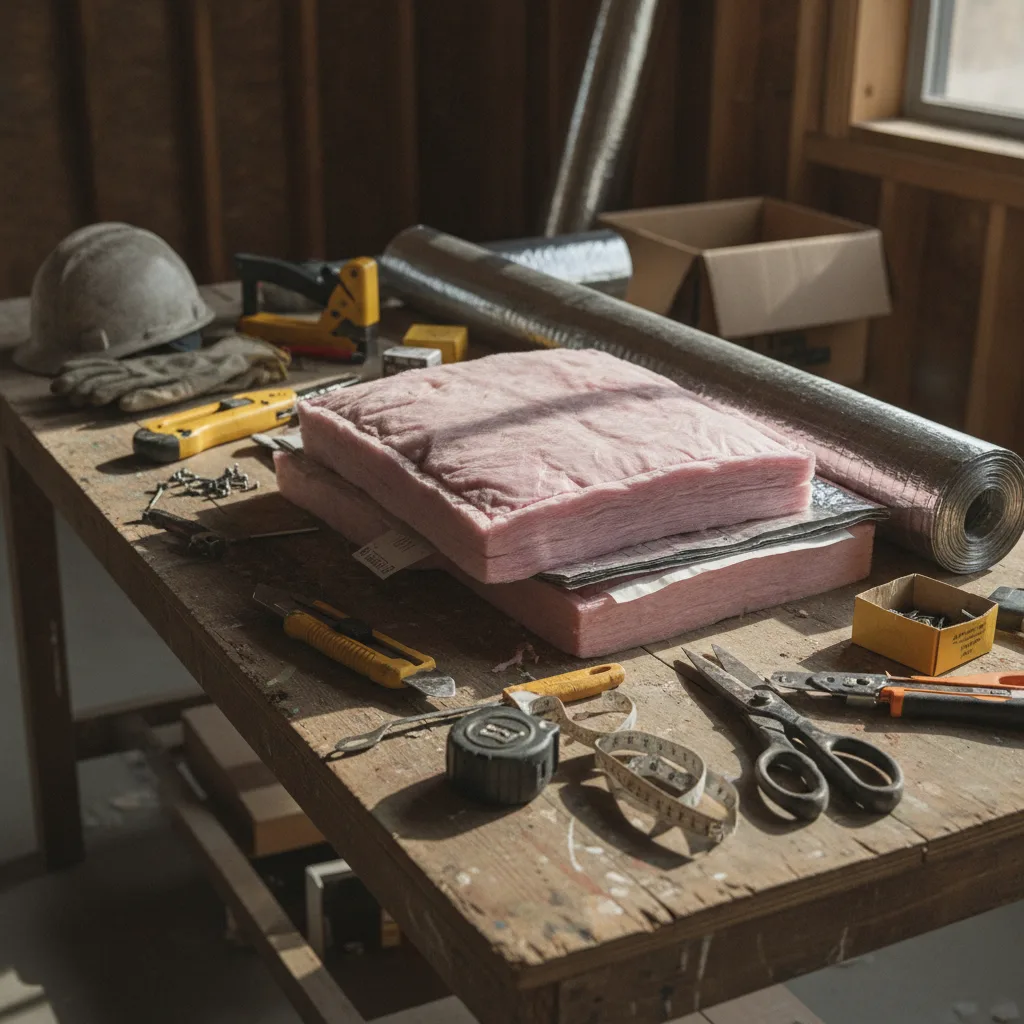
Free EstimateBatt insulation is one of the most widely used and cost-effective insulation solutions available for residential and commercial properties. Composed of flexible fiber materials — most commonly fiberglass or mineral wool — batt insulation is manufactured in pre-cut panels designed to fit snugly between wall studs, floor joists, and ceiling rafters. When properly installed, it creates a thermal barrier that reduces heat transfer, lowers energy bills, and improves indoor comfort year-round.
In Orange, CA, the region’s warm Mediterranean climate, aging housing stock, and intense summer heat create unique demands that make quality batt insulation not just a comfort upgrade but a genuine necessity. At Next Level Insulation of Orange, we specialize in professional batt insulation installation tailored specifically to the building types, climate patterns, and local code requirements found throughout Orange and the surrounding communities. Whether you’re insulating a new build, replacing outdated materials, or improving an older home’s energy efficiency, our team has the local knowledge and technical expertise to get the job done right. Call us today at (714) 266-2070.
Understanding Batt Insulation in Orange, CA
Batt insulation — sometimes called blanket insulation — has been a foundational building material in American construction since the early twentieth century. Originally developed using fiberglass fibers in the 1930s, it became the go-to insulation method during the post-World War II housing boom that dramatically shaped communities like Orange, CA. As tract homes and suburban developments expanded across Southern California throughout the 1950s, 1960s, and 1970s, batt insulation was installed in millions of homes — much of which is still in place today, decades past its optimal lifespan.
Modern batt insulation is available in several material types, each engineered to meet specific performance standards. Fiberglass batts remain the most common option, offering R-values ranging from R-11 for 2×4 wall cavities to R-38 and above for attic applications. Mineral wool (also known as rock wool or slag wool) batts provide superior fire resistance, better sound dampening, and improved moisture resistance — making them particularly valuable in areas prone to humidity fluctuations. Cotton or natural fiber batts made from recycled denim are also available as an eco-friendly alternative, though they are less common in the Orange market.
Orange, CA features a diverse mix of building types that each benefit from batt insulation in different ways. The city’s older neighborhoods — many of which were developed in the 1940s through 1960s — contain wood-frame single-family homes with standard 2×4 stud framing, which is ideally suited to pre-cut batt panels. Mid-century ranch homes along streets like Palmyra Avenue and in the Old Towne Orange Historic District often have little to no original insulation remaining, or insulation that has settled, compressed, and lost most of its thermal effectiveness. Newer construction in areas like Serrano Heights uses 2×6 framing, allowing for thicker, higher-R-value batts that meet or exceed current California Title 24 energy compliance standards.
Batt insulation is most commonly applied in walls (both exterior and interior partition walls for sound control), attic floors and sloped ceilings, floors above unconditioned crawl spaces, and around HVAC ductwork. It is also used in combination with other insulation types — such as spray foam at air sealing points — to create a comprehensive thermal envelope. Understanding which application is right for your specific home or building in Orange requires a professional assessment that accounts for your existing insulation, local climate data, and California Energy Code requirements.
Why Batt Insulation Is Needed in Orange, CA
Orange’s Climate Creates Unique Insulation Demands
Orange, CA sits in the heart of Orange County, experiencing a semi-arid Mediterranean climate classified as BSk/Csa under the Köppen climate system. Average summer high temperatures regularly reach 90–95°F in July and August, with inland heat events frequently pushing temperatures past 100°F. The National Weather Service has recorded multiple significant heat events in the Orange area, including the September 2022 heat dome that saw nearby Anaheim record temperatures of 107°F — among the highest in recorded local history. During these events, homes with inadequate insulation can see interior temperatures climb 15–25°F above thermostat setpoints as air conditioning systems struggle to maintain comfort.
Winter nights in Orange, while mild by national standards, regularly drop to 40–45°F between December and February. This temperature swing — from cool nights to scorching afternoons — means insulation must perform effectively across a wide thermal range throughout the year. Without adequate batt insulation in wall cavities and attic spaces, heating and cooling systems work significantly harder, leading to premature HVAC wear and energy bills that far exceed what properly insulated homes experience.
The Santa Ana Wind Effect
Orange County is uniquely exposed to the Santa Ana wind phenomenon, which typically occurs between October and March. These powerful offshore winds, often exceeding 50–70 mph in gusts through mountain passes near the Peralta Hills and Santiago Canyon area adjacent to Orange’s eastern boundaries, drive extremely dry and warm air into residential communities. Santa Ana conditions can drop indoor humidity to dangerous lows while simultaneously heating exterior wall surfaces — a combination that stresses aging insulation materials and dramatically increases fire risk. Homes with compressed or missing batt insulation are particularly vulnerable during these periods, as the reduced thermal resistance allows radiant heat from walls and roofing to penetrate living spaces rapidly.
Orange’s Aging Housing Stock
A significant portion of Orange’s residential properties were constructed between 1945 and 1975. The Old Towne Orange Historic District alone contains hundreds of homes built before insulation standards existed in California building codes. The state’s first meaningful residential insulation requirements didn’t take effect until the 1970s Energy Crisis, meaning homes built before approximately 1977 were often constructed with minimal or zero wall insulation. Even homes that received insulation during original construction have now endured 40–70 years of thermal cycling, moisture exposure, and settling — reducing effectiveness by as much as 40–50% compared to original installed performance.
Wildfire Smoke and Air Quality
The proximity of Orange to wildland-urban interface areas — including the Irvine Regional Park corridor and the foothills toward Santiago Peak — means residents regularly face air quality challenges during wildfire season. In years like 2020, when the Silverado Fire burned over 13,000 acres just miles from Orange’s eastern neighborhoods, smoke infiltration became a significant indoor air quality concern. Properly installed batt insulation, combined with air sealing, helps reduce the infiltration of smoke particles and outdoor pollutants into living spaces — an often-overlooked benefit of comprehensive insulation in this specific region.
Signs You Need Batt Insulation in Orange
Temperature and Comfort Indicators
- Rooms that feel significantly hotter than the rest of the house during summer afternoons, particularly south- and west-facing bedrooms
- Cold floors or walls during Orange’s winter months despite the heating system running continuously
- Inconsistent temperatures between floors, with upper stories dramatically warmer than lower levels
- Your HVAC system running in short, frequent cycles rather than maintaining steady setpoint temperatures
Energy Bill Warning Signs
- Unexplained increases in monthly electricity or gas bills, particularly during July–September peak cooling months
- Energy bills significantly higher than neighbors with similarly sized homes
- HVAC runtime exceeding 12–16 hours per day during summer heat events
Physical Evidence of Insulation Failure
- Visible gaps, compression, or settling in attic insulation visible from your attic access hatch
- Insulation that appears yellowed, brittle, dusty, or has lost its fluffy texture
- Drafts near electrical outlets or light switches on exterior walls, indicating missing or displaced wall batts
- Moisture staining, mold growth, or pest evidence within insulated cavities — a critical urgency indicator requiring immediate attention
Our Batt Insulation Process in Orange, CA
Initial Assessment and Inspection (1–2 Hours)
Every project begins with a comprehensive on-site evaluation. Our technicians perform a visual inspection of all accessible insulation areas — attic, crawl space, and wall cavities where accessible — using thermal imaging equipment to identify cold or hot spots invisible to the naked eye. We check existing insulation R-values, assess moisture levels, and identify any air sealing deficiencies. We also review your home’s construction date and framing type to determine the appropriate batt dimensions and R-value targets per California Title 24 standards.
Proposal and Material Selection (Same Day)
Based on our assessment, we provide a detailed written proposal including specific R-value recommendations for each application zone, material options (fiberglass vs. mineral wool), and itemized pricing. For Orange homes in the HOZ fire hazard zone classifications, we often recommend mineral wool batts for their Class A fire rating.
Preparation and Air Sealing (2–4 Hours)
Before any batt installation begins, we complete critical air sealing work at penetrations, gaps, and junctions using spray foam or caulk. In Orange’s older housing stock, this step frequently uncovers significant air leakage points around recessed lighting, plumbing penetrations, and top plates that dramatically undermine insulation performance if left unaddressed.
Old Insulation Removal (If Required) (2–6 Hours)
When replacing degraded existing insulation, we use HEPA-filtered vacuum equipment to safely remove old material. This is particularly important in pre-1980 Orange homes where older insulation may contain vermiculite or other legacy materials requiring careful handling. Learn more about our insulation removal services.
Batt Installation (4–8 Hours)
Our installers cut and fit batt insulation precisely to each cavity, ensuring full contact with framing members without compression or gaps. Batts are installed facing correctly (vapor barrier orientation varies by application and Orange’s climate zone — Climate Zone 8), and all electrical boxes and fixtures are properly addressed.
Quality Inspection and Documentation (30–60 Minutes)
Post-installation, we conduct a room-by-room quality check, photograph completed work, and provide documentation suitable for permit filing or utility rebate applications through Southern California Edison or SoCalGas programs.
Site Cleanup and Walkthrough (30 Minutes)
We remove all debris, vacuum work areas, and walk you through the completed installation before departing.
Our team in action — insulation professionals serving Orange
Batt Insulation Methods and Approaches We Use
Standard Fiberglass Batt Installation
The most common approach for Orange homes, fiberglass batts are available in widths of 15 inches (for 16-inch on-center framing) and 23 inches (for 24-inch on-center framing). R-13 and R-15 batts are standard for 2×4 exterior walls in California Climate Zone 8, while R-19 to R-21 batts fit 2×6 framing found in newer construction. This method is ideal for open wall cavities during renovation or new construction and for accessible attic floor applications.
Mineral Wool (Rockwool) Batt Installation
Increasingly recommended for Orange County properties, mineral wool batts offer R-15 performance in a 2×4 cavity — exceeding standard fiberglass options — along with Class A fire ratings, superior sound attenuation (STC ratings of 45–52), and natural moisture resistance. We particularly recommend this method for homes near Santiago Canyon Road and the Anaheim Hills border where fire risk classifications are elevated. Learn about complementary spray foam insulation applications.
Cut-and-Cobble for Irregular Cavities
Orange’s older craftsman bungalows and mid-century homes frequently have non-standard stud spacing, blocked cavities, or irregular framing from additions. Our technicians use a cut-and-cobble technique to precisely fit batt sections into these spaces, ensuring complete coverage without compression.
Hybrid Batt and Spray Foam Systems
For maximum performance — particularly in attics and crawl spaces — we combine batt insulation with spray foam air sealing or rigid foam boardstock. This hybrid approach addresses both heat transfer (batt) and air movement (foam), delivering significantly better real-world performance than either method alone. Explore our attic insulation and crawl space insulation services for more details.
Ready for Batt Insulation? Get Your Free Estimate Today.
Next Level Insulation of Orange serves Orange and the surrounding area — we’ll be on-site within 24 hours.
📞 Call (714) 266-2070Batt Insulation Cost in Orange, CA
Understanding the investment required for batt insulation in Orange helps homeowners and property managers plan effectively. Costs vary based on the scope of work, materials selected, and specific conditions of your property.
Typical Price Ranges
- Attic batt insulation (fiberglass, R-30 to R-38): $1.50–$2.50 per square foot installed, or approximately $1,500–$3,500 for a typical 1,200–1,800 sq ft Orange home attic
- Exterior wall batt insulation (during renovation): $1.00–$2.00 per square foot, or $2,000–$5,000 for a complete 1,500 sq ft home
- Mineral wool upgrade: Approximately 20–30% premium over standard fiberglass batts
- Insulation removal and replacement: Add $1.00–$1.50 per square foot for removal of existing material before new installation
- Crawl space floor insulation: $2.00–$3.50 per square foot depending on access difficulty
Factors That Affect Pricing in Orange
Several local factors influence final project costs. Homes in the Old Towne Orange Historic District may have access restrictions that increase labor time. Properties with previous pest infestations (a known issue in older Orange neighborhoods near citrus grove remnants in the Olive Hills area) often require additional preparation before new insulation can be installed. Homes requiring permit filing with the City of Orange Building Division add modest administrative costs. California Title 24 compliance documentation, required for many rebate programs through Southern California Edison’s Energy Upgrade California initiative, may also be included in project pricing.
Available Rebates and Incentives
Orange homeowners may qualify for utility rebates of $0.10–$0.15 per square foot through Southern California Edison programs, as well as federal tax credits of up to 30% of insulation costs under the Inflation Reduction Act’s Energy Efficient Home Improvement Credit. Call us at (714) 266-2070 for a free, no-obligation estimate.
Batt Insulation Services Across Orange Neighborhoods
Old Towne Orange Historic District
Centered around the historic Orange Circle (Plaza Square), this neighborhood contains homes predominantly built between 1905 and 1945. These craftsman bungalows, Spanish colonial revivals, and Victorian-era properties present unique insulation challenges including irregular framing, knob-and-tube wiring in some cases, and historically sensitive exterior finishes that limit retrofit options. We specialize in respectful, code-compliant insulation upgrades that preserve historic character while dramatically improving energy performance.
Serrano Heights and Belmont
Developed primarily in the 1990s and early 2000s on Orange’s eastern hillsides, these neighborhoods feature newer construction with 2×6 framing that accepts higher R-value batts. The elevated terrain increases exposure to Santa Ana wind conditions, making premium insulation particularly valuable here.
Olive Hills
This established neighborhood near Chapman University features a mix of 1950s–1970s ranch homes with standard 2×4 framing. Many properties have original fiberglass batts that have now compressed significantly after 50+ years, reducing effective R-values by 20–40%.
Villa Park Adjacent Areas
Larger custom homes along Orange’s western border with Villa Park tend to feature premium construction but may still have aging insulation in need of replacement or supplementation. Our blow-in insulation services complement batt work in these properties.
Batt Insulation Maintenance Tips for Orange Homeowners
- Inspect your attic annually: Schedule a visual attic check each fall before Orange’s cooler season begins. Look for signs of compression, moisture, or pest intrusion that can degrade batt performance.
- Address roof leaks immediately: Even minor roof leaks in Orange’s winter rain season (November–March) can saturate fiberglass batts, permanently reducing their R-value. Wet insulation must be dried or replaced promptly.
- Keep attic vents clear: Orange’s eucalyptus and palm trees deposit debris that can block soffit vents, leading to moisture buildup and premature insulation degradation. Clear vents seasonally.
- Seal attic access hatches: The access hatch is often the weakest thermal point in Orange attics. Ensure yours has a properly insulated cover rated to at least R-30.
- Monitor for pests: Roof rats and other rodents common in older Orange neighborhoods nest in and destroy batt insulation. Check for droppings or nesting material during inspections.
- Don’t compress stored items against insulation: Storing items in attics directly against batt insulation reduces its loft and effective R-value significantly.
- Verify HVAC duct sealing: Leaky ducts running through insulated cavities can deposit moisture and degrade adjacent batts over time.
- Schedule professional assessments every 10 years: Have a qualified insulation contractor inspect and measure actual R-values to determine when supplementation or replacement is warranted.
Why Choose Next Level Insulation of Orange
At Next Level Insulation of Orange, we bring deep, specific knowledge of Orange County’s building stock, climate conditions, and local code requirements to every project we undertake. Our team understands the nuances of insulating Old Towne’s historic bungalows just as clearly as we understand the performance requirements of Serrano Heights’ newer custom homes. We are not a generic national franchise — we are a local company that works specifically in Orange and the surrounding communities, meaning we understand the micro-climate variations between Orange’s coastal-influenced western neighborhoods and the hotter, wind-exposed eastern hillside communities near the Irvine Regional Park corridor.
We stay current with California Title 24 energy code requirements, City of Orange building permit processes, and the latest Southern California Edison and SoCalGas rebate programs — ensuring our customers maximize available incentives. Our work is performed by trained installation technicians who follow manufacturer specifications and industry best practices on every job.
We offer free on-site assessments with no obligation to purchase. Contact us at (714) 266-2070 to schedule your evaluation and discover what proper batt insulation can do for your Orange home or business. You can also explore our full range of services including crawl space encapsulation and insulation replacement.
Frequently Asked Questions About Batt Insulation in Orange, CA
How much does batt insulation cost in Orange, CA?
Batt insulation costs in Orange typically range from $1.00 to $3.50 per square foot installed, depending on the application (attic, walls, floors), material type (fiberglass vs. mineral wool), and whether old insulation needs to be removed first. A complete attic insulation project for a typical Orange single-family home of 1,400 square feet usually runs between $1,500 and $3,500. We provide free, detailed written estimates following our on-site assessment. Call (714) 266-2070 to schedule yours.
How long does batt insulation installation take in a typical Orange home?
Most residential batt insulation projects in Orange are completed within one to two days. An attic-only project typically takes four to eight hours. Full whole-home installations including walls (during renovation), attic, and crawl space may require two full days. We provide timeline estimates specific to your project during the initial assessment.
What R-value do I need for my Orange, CA home?
Orange falls within California Climate Zone 8. Current California Title 24 standards recommend a minimum of R-38 for attic insulation, R-13 to R-15 for 2×4 exterior walls, and R-19 for 2×6 walls. Floors above unconditioned crawl spaces should achieve R-19 minimum. Older homes that predate these codes often have R-0 to R-11 in existing cavities — significantly below modern performance standards.
Is batt insulation or spray foam better for Orange’s climate?
Both serve important and complementary roles. Batt insulation provides effective thermal resistance in enclosed cavities at a lower cost. Spray foam excels at air sealing irregular gaps and open-cell/closed-cell applications in crawl spaces or attic rooflines. Many Orange homes benefit most from a hybrid approach — batt insulation in standard cavities combined with spray foam at penetrations and air leakage points. Our team assesses your specific home to recommend the optimal combination. See our spray foam insulation page for more information.
Do I need a permit for batt insulation installation in Orange, CA?
Permit requirements depend on the scope of work. Simple like-for-like insulation replacement in an attic typically does not require a City of Orange building permit. However, projects that open wall cavities as part of a larger renovation, or that alter the building’s thermal envelope in ways that trigger Title 24 compliance reviews, may require permit filing. We handle all necessary permit coordination on your behalf.
How do I know if my existing batt insulation needs replacement?
Key indicators include visible compression or settling (batts should be fluffy, not flat), moisture staining or mold growth, evidence of pest nesting activity, and insulation that crumbles or disintegrates when touched. Orange homes built before 1977 that have never had insulation upgrades almost certainly have inadequate coverage by modern standards. A professional thermal imaging inspection is the most definitive way to identify problem areas.
Can batt insulation help reduce wildfire smoke infiltration in Orange?
Yes. While batt insulation alone is not a complete air sealing system, properly installed batts combined with targeted air sealing at penetrations, electrical outlets, and framing gaps significantly reduce the infiltration pathways through which wildfire smoke particles enter the home. This was particularly relevant for Orange residents during events like the 2020 Silverado Fire, which generated significant smoke infiltration concerns across eastern Orange County.
Does Next Level Insulation of Orange offer insulation removal as well as installation?
Yes. We provide complete insulation removal services using HEPA-filtered equipment to safely extract old, damaged, or contaminated insulation before installing new batt material. This is a common need in Orange’s pre-1980 housing stock where original fiberglass has degraded significantly or where pest activity has compromised existing insulation integrity.
Get a Free Batt Insulation Estimate in Orange, CA Today
Don’t let inadequate insulation drive up your energy bills through another Orange summer. Whether you’re dealing with a home that’s too hot, too cold, too loud, or simply too expensive to heat and cool, Next Level Insulation of Orange has the expertise and local knowledge to solve your insulation challenges with precision and professionalism.
We serve homeowners, landlords, and commercial property managers throughout Orange, CA with comprehensive insulation services including batt installation, attic insulation, blow-in insulation, crawl space encapsulation, and complete insulation removal and replacement.
Call us now at (714) 266-2070 to schedule your free, no-obligation on-site assessment. Our team is ready to help you achieve real comfort, lower energy costs, and a healthier indoor environment — starting today.