

Batt Insulation in Los Angeles, CA
Energy-Saving Batt Insulation for Los Angeles, CA Homes — Licensed & Insured
Need batt insulation in Los Angeles, CA? Next Level Insulation offers expert installation for all LA neighborhoods. Call (323) 765-3939 for a free estimate today.
- Licensed & Insured
- Locally Owned & Operated
- Free Inspection & Estimate
Request Your
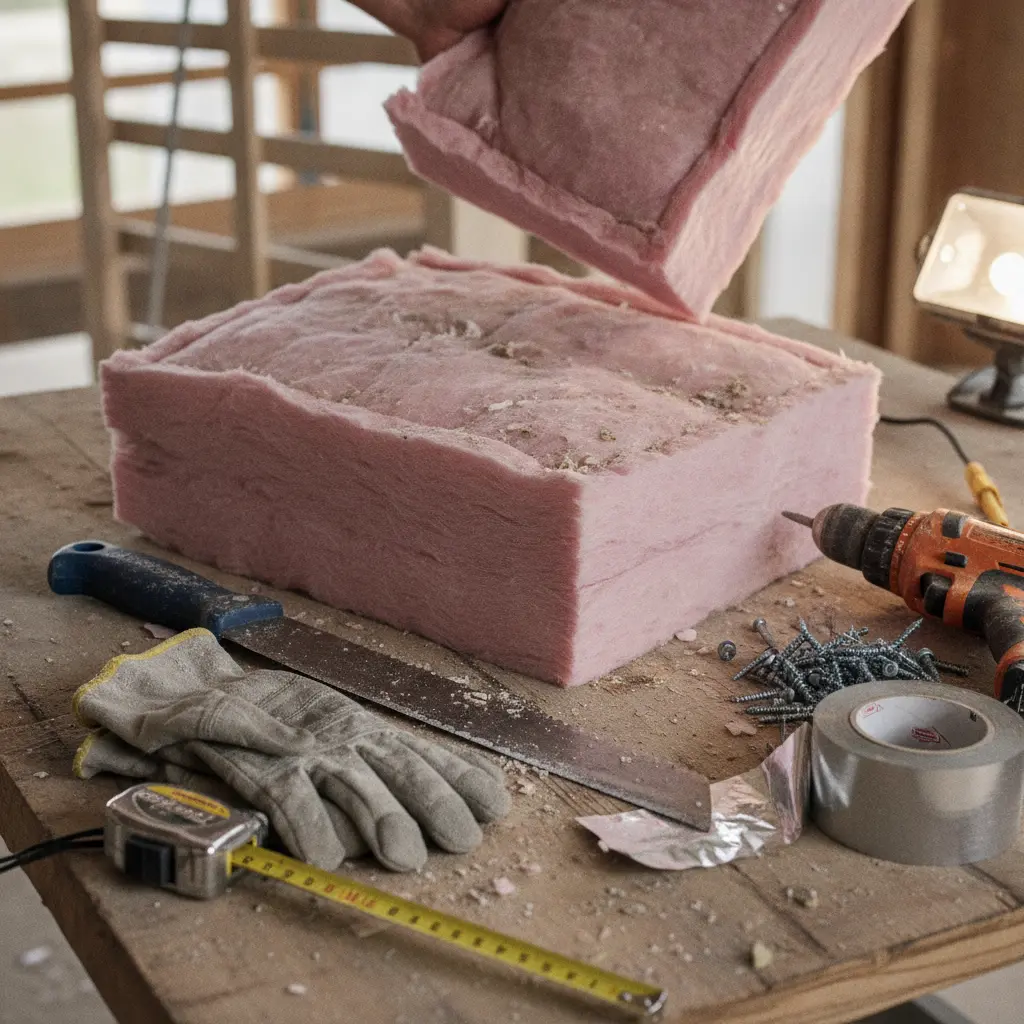
Free EstimateBatt insulation is one of the most widely used and effective forms of thermal and acoustic insulation available for residential and commercial properties. Consisting of pre-cut panels or rolls of fibrous material — typically fiberglass or mineral wool — batt insulation is designed to fit snugly between wall studs, floor joists, and ceiling rafters to create a consistent thermal barrier throughout a structure.
In Los Angeles, CA, where temperatures can swing from the mid-30s°F on winter nights in the San Gabriel foothills to over 110°F during late-summer heat events in the San Fernando Valley, selecting the right insulation system is not a minor decision — it’s a critical investment in comfort, energy efficiency, and long-term property value.
At Next Level Insulation of Los Angeles, our team brings hands-on expertise in batt insulation installation tailored specifically to Southern California’s unique climate zones, building stock, and energy codes. Whether you own a 1920s Craftsman bungalow in Pasadena or a mid-century commercial building in Culver City, we deliver precise, professional batt insulation solutions built for Los Angeles conditions. Call us today at (323) 765-3939.
Understanding Batt Insulation
Batt insulation has been a cornerstone of American construction since the mid-20th century, first gaining widespread adoption in the post-World War II housing boom that reshaped suburbs across the country — including the vast residential corridors that define today’s Los Angeles Basin. As millions of new homes were constructed rapidly through the 1940s, 1950s, and 1960s to accommodate returning veterans and a growing workforce, fiberglass batt insulation became the standard solution due to its affordability, ease of installation, and reliable thermal performance.
Today, batt insulation is manufactured in widths specifically engineered to match standard framing dimensions — 15 inches for 16-inch on-center framing and 23 inches for 24-inch on-center framing — making it an especially efficient choice for both new construction and retrofit projects. R-values, the measure of thermal resistance, typically range from R-11 for 3.5-inch batts suitable for 2×4 walls, up to R-38 or higher for thicker applications in attic spaces.
Two primary materials dominate the batt insulation market in Los Angeles:
- Fiberglass Batts: The most common option, composed of fine glass fibers. Fiberglass batts are cost-effective, fire-resistant, and moisture-tolerant when properly installed, making them a practical choice for Los Angeles’s dry Mediterranean climate.
- Mineral Wool (Rockwool) Batts: Made from volcanic rock or industrial slag, mineral wool offers superior fire resistance, excellent soundproofing qualities, and greater moisture resistance — features increasingly relevant in wildfire-prone Los Angeles communities like Altadena and the hillside neighborhoods above Hollywood.
Los Angeles’s housing inventory is extraordinarily diverse, encompassing Victorian-era homes in historic districts, Spanish Revival residences in Hancock Park, post-war tract housing throughout the Eastside, and contemporary builds across newly developed corridors. Each building type presents unique framing configurations, cavity depths, and insulation challenges — all of which factor into a proper batt insulation strategy. Learn more about our attic insulation services for properties requiring enhanced overhead thermal protection.
Signs You Need Batt Insulation in Los Angeles
Energy and Comfort Indicators
- Monthly electricity bills exceeding $200–$350 during peak summer months (June–September) in inland neighborhoods like Pasadena or Alhambra without explanation from rate changes
- Noticeable temperature differences of 5°F or more between rooms on the same floor
- HVAC system running continuously for more than 20–30 minutes without reaching the thermostat setpoint during a 95°F summer day
- Drafts felt near exterior walls or at ceiling lines during Santa Ana wind events
Physical and Visual Symptoms
- Visible gaps, voids, or compressed batt material observed during attic access
- Discolored or darkened drywall near wall top plates, indicating air infiltration through inadequate insulation
- Moisture staining or mold growth on interior wall surfaces, particularly in south-facing rooms during marine layer season (May through July)
- Rodent or pest disturbance of existing insulation, leaving torn, displaced, or soiled batt material
Urgency Indicators
- Home constructed prior to 1980 with no documented insulation upgrades
- Recent seismic retrofit that opened wall or floor cavities
- Persistent condensation on interior wall surfaces during winter months in hillside neighborhoods
- Insurance or permitting requirements tied to renovation projects triggering Title 24 compliance
Our Batt Insulation Installation Process in Los Angeles
Initial Assessment and Thermal Audit (1–2 Hours)
Our process begins with a comprehensive on-site evaluation of your property. Using FLIR infrared thermal imaging cameras, we identify cold and hot zones in walls, ceilings, and floors that indicate insulation voids or failures. We document existing R-values, framing dimensions, and any moisture or pest issues that must be addressed prior to installation. This step is adapted for Los Angeles’s varied building styles — from the balloon-framed Craftsman homes common in South Pasadena to the platform-framed apartment complexes throughout West Hollywood.
Air Sealing and Preparation (2–4 Hours)
Before any batt material is installed, our technicians seal all bypasses, penetrations, and gaps in the building envelope using appropriate caulks, spray foam, and fire-rated sealants. In Los Angeles, this step specifically addresses gaps around recessed lighting (common in post-1970s construction in Culver City and Glendale), HVAC ducts, and plumbing penetrations. Proper air sealing can account for up to 40% of total energy savings according to Department of Energy data.
Material Selection and Measurement (1–2 Hours)
We select batt material — fiberglass or mineral wool — based on the specific application, climate zone, and fire risk classification of the neighborhood. Properties in hillside areas designated as Very High Fire Hazard Severity Zones by CAL FIRE receive mineral wool recommendations for superior ember resistance.
Installation (4–8 Hours for Typical Residential)
Batts are cut to precise dimensions and installed without compression, voids, or gaps. Our installers follow California Energy Commission best practice guidelines, ensuring face-stapling or friction-fitting based on wall orientation and access method. Vapor retarder facing is oriented correctly based on Los Angeles’s Climate Zone 9 or 10 designation for the specific property location.
Quality Inspection and Documentation (1 Hour)
Every installation is inspected against Title 24 compliance standards. We provide documentation suitable for permit sign-off and HERS (Home Energy Rating System) verification when required. Homeowners receive a written summary of installed R-values, materials used, and areas addressed.
Our team in action — insulation professionals serving Los Angeles
Batt Insulation Methods and Approaches
Standard Friction-Fit Batt Installation
The most common method for new construction and open-wall renovation projects. Batts are cut to length and width to fit precisely between framing members without mechanical fasteners, relying on the material’s natural loft to maintain position. Ideal for standard 2×4 and 2×6 framed walls common in post-1950s Los Angeles construction throughout the San Gabriel Valley communities of Monterey Park and Alhambra.
Faced Batt Installation with Vapor Retarder
For crawl spaces, basement perimeter walls, and below-grade applications common in hillside properties above the Hollywood Hills, faced batts with a kraft paper or foil vapor retarder are installed to manage moisture migration. This approach is specifically relevant for older homes in the canyons where soil moisture can be significant during winter rain events that bring 15–20 inches of annual precipitation to elevated areas.
Cut-and-Cobble for Irregular Cavities
Many pre-1940 Los Angeles homes, particularly Spanish Colonial and Craftsman bungalows in Pasadena’s historic Bungalow Heaven neighborhood or the West Adams district, feature non-standard framing dimensions or irregular cavity depths. Our technicians use the cut-and-cobble method, precisely sizing individual batt sections to fill each unique cavity without gaps.
Mineral Wool High-Density Batt for Soundproofing
For multi-family properties throughout West Hollywood and the denser corridors of Downtown-adjacent neighborhoods, high-density mineral wool batts rated for Sound Transmission Class (STC) reduction are installed between floor-ceiling assemblies and party walls to meet both Title 24 energy requirements and California Building Code acoustic standards. View our full insulation installation services.
Ready for Batt Insulation? Get Your Free Estimate Today.
Next Level Insulation of Los Angeles serves Los Angeles and the surrounding area — we’ll be on-site within 24 hours.
📞 Call (323) 765-3939Batt Insulation Cost in Los Angeles
Understanding the cost of batt insulation in Los Angeles requires accounting for local labor rates, material availability, the complexity of the specific property, and compliance requirements under California’s Title 24 energy code.
Typical Price Ranges
- Attic Batt Insulation (per square foot): $1.50 – $3.50, with a 1,200 sq ft attic typically ranging from $1,800 – $4,200 installed
- Exterior Wall Batt Insulation (open cavity, per sq ft): $1.00 – $2.50 installed
- Floor/Crawl Space Batt Insulation (per sq ft): $1.75 – $3.25 installed
- Full Home Insulation Package (1,500 sq ft home): $4,500 – $12,000 depending on scope and access conditions
Factors Affecting Los Angeles Batt Insulation Costs
- Existing insulation removal: Removal of deteriorated or pest-damaged insulation adds $1.00 – $2.00 per square foot. Learn about our insulation removal services.
- Access difficulty: Low-pitch attics common in Ranch-style homes in Downey and South Gate, or tight crawl spaces in older Montebello properties, increase labor time and cost by 20–40%.
- Material grade: Mineral wool batts cost 25–40% more than fiberglass but deliver superior fire resistance — an important consideration for hillside properties in Very High Fire Hazard Severity Zones.
- Permit and inspection fees: Los Angeles Department of Building and Safety permit fees for insulation work typically range from $150 – $500 depending on project scope.
- California rebates: LADWP and SoCalGas offer insulation rebates of up to $500–$2,000 for qualifying upgrades, which can meaningfully offset total project costs.
Contact us at (323) 765-3939 for a free, no-obligation estimate tailored to your specific property and neighborhood.
Neighborhoods We Serve in Los Angeles
Pasadena
Pasadena’s housing stock includes a remarkable concentration of pre-1930 Craftsman bungalows and Prairie-style homes in the landmark Bungalow Heaven district. These balloon-framed structures often lack any original wall insulation and present unique challenges due to non-standard cavity depths. We bring specialized experience retrofitting insulation into these historic buildings while preserving original interior finishes.
East Los Angeles and Huntington Park
These densely populated communities feature predominantly 1940s–1960s construction — modest wood-frame homes with minimal or no cavity insulation. The inland location exposes residents to summer temperatures routinely 10–15°F higher than coastal communities, making insulation upgrades particularly impactful for energy cost reduction.
West Hollywood
West Hollywood’s mix of 1920s–1940s courtyard apartments and modern multi-family developments requires both energy and acoustic insulation solutions. High-density mineral wool batts are frequently specified here to satisfy both Title 24 and the city’s stringent noise ordinance requirements for multi-family structures.
Glendale and Montebello
These communities blend mid-century ranch homes and newer construction, presenting straightforward batt insulation retrofit opportunities with strong ROI given their distance from the coast and corresponding summer heat exposure. We serve all surrounding communities including Cudahy, Bell, Commerce, Culver City, Downey, South Pasadena, Maywood, South Gate, Walnut Park, Bell Gardens, and Alhambra.
Batt Insulation Maintenance Tips for Los Angeles Homeowners
- Inspect attic insulation annually in October — before the onset of winter rainstorms — to check for moisture intrusion, settling, or pest damage following the dry summer season.
- Monitor for roof leaks after storm events, particularly following the atmospheric river events that LA experiences between November and March. Water-saturated fiberglass batts lose up to 40% of their R-value and must be replaced promptly.
- Check crawl space insulation after seismic events. Even minor earthquakes registering 3.5 or above on the Richter scale can displace friction-fit floor batts from their supports, creating thermal gaps.
- Seal attic access hatches with weatherstripping and insulated covers rated at minimum R-10 to prevent the thermal bypasses common in Los Angeles’s pull-down attic stair assemblies.
- Control crawl space humidity during winter months by ensuring cross-ventilation vents are unobstructed, protecting floor insulation from condensation-driven moisture common during LA’s cool, wet winters.
- Keep attic ventilation free of debris following the Santa Ana wind season (October–April), as wind-blown debris can block soffit vents and create moisture buildup that degrades batt performance.
- Schedule a professional inspection every 10–15 years for homes built prior to 1990 to verify that insulation remains at code-compliant R-values as California’s Title 24 standards continue to evolve. Learn about our insulation replacement services.
Why Choose Next Level Insulation of Los Angeles
At Next Level Insulation of Los Angeles, we are a locally rooted insulation contractor with deep familiarity with the specific building types, climate conditions, energy codes, and neighborhood characteristics that define the Los Angeles region. Our technicians are trained in California Title 24 compliance, HERS verification documentation, and the specialized challenges of retrofitting insulation into LA’s diverse housing stock — from 1920s Craftsman homes in South Pasadena to post-seismic retrofit properties throughout the Eastside.
We bring comprehensive insulation capabilities under one roof, including spray foam insulation, blow-in insulation, crawl space encapsulation, and full insulation removal and replacement — meaning we can assess your entire building envelope and recommend the most effective combination of solutions for your specific property and budget.
Our service area spans the full Los Angeles Basin, from Glendale and Pasadena in the north to Huntington Park and South Gate in the south, and from Culver City in the west to Montebello and Commerce in the east. We are committed to transparent pricing, thorough workmanship, and customer communication at every stage of your project. Call us at (323) 765-3939 to speak with a local insulation specialist today.
Frequently Asked Questions About Batt Insulation in Los Angeles
How much does batt insulation cost in Los Angeles?
Batt insulation costs in Los Angeles typically range from $1.00 to $3.50 per square foot installed, depending on material type (fiberglass vs. mineral wool), application area (walls, attic, crawl space), access difficulty, and whether existing insulation removal is required. A typical 1,200 square foot attic insulation project runs between $1,800 and $4,200. LADWP and SoCalGas rebates may reduce out-of-pocket costs by $500–$2,000 for qualifying projects.
How long does batt insulation installation take?
For most single-family homes in Los Angeles, a complete batt insulation installation — including preparation, air sealing, and installation — takes one to two full days. Larger properties or those with complex access conditions, such as low-slope attics in Downey ranch homes or tight crawl spaces in Montebello hillside properties, may require an additional day.
Do I need a permit for batt insulation installation in Los Angeles?
In most cases, permit requirements depend on the scope of work. Simple like-for-like insulation replacement in attics often does not require a permit in the City of Los Angeles. However, insulation work tied to renovation permits or HERS-rated energy compliance work under Title 24 typically requires a mechanical or building permit from the Los Angeles Department of Building and Safety. We assist clients in navigating permit requirements for their specific project.
What R-value do I need for my Los Angeles home?
Los Angeles homes fall primarily in CEC Climate Zones 9 and 10. For Climate Zone 9 (inland communities including East LA, Commerce, Huntington Park, and Alhambra), Title 24 2022 requires minimum R-38 to R-49 in attics and R-15 in exterior walls for new construction. For existing homes, we recommend matching or exceeding these values for optimal energy performance and utility cost reduction.
Is fiberglass or mineral wool batt better for Los Angeles?
Both materials perform well in Los Angeles’s dry Mediterranean climate. Fiberglass is the more cost-effective choice for most standard applications. Mineral wool is recommended for properties in Very High Fire Hazard Severity Zones (common in foothill and canyon neighborhoods), for acoustic insulation in multi-family buildings throughout West Hollywood and Downtown-adjacent neighborhoods, and in crawl spaces with higher moisture exposure. We assess each property individually and recommend accordingly.
Can batt insulation be installed in existing walls without removing drywall?
For enclosed wall cavities, blown-in insulation is typically the preferred retrofit method rather than batts, as it can be installed through small drilled holes. Batt insulation is most practical for open-cavity applications — during renovation, new construction, seismic retrofit, or when exterior siding is being replaced. Learn about our blow-in insulation services for retrofit wall applications.
How does Southern California’s climate affect insulation performance?
Los Angeles’s primarily heating-and-cooling-balanced Mediterranean climate with significant summer cooling loads in inland areas means insulation must perform effectively in both directions — limiting heat gain during summer and reducing heat loss during winter nights, which can dip into the 30s°F in foothill communities. Proper installation without voids or compression is critical in Los Angeles’s climate to maintain rated R-values year-round.
Does Next Level Insulation of Los Angeles serve my neighborhood?
We serve the full Los Angeles Basin, including Cudahy, Los Angeles, Monterey Park, Glendale, Pasadena, Bell Gardens, Alhambra, Bell, Commerce, Culver City, Downey, East Los Angeles, South Pasadena, Huntington Park, Maywood, Montebello, South Gate, Walnut Park, and West Hollywood. If you are unsure whether we serve your area, call us at (323) 765-3939 and we will confirm service availability.
Get Your Free Batt Insulation Estimate in Los Angeles Today
Don’t let inadequate insulation drive up your energy bills through another Los Angeles summer. Whether you’re dealing with the intense inland heat of Pasadena and Alhambra, the acoustic demands of a West Hollywood multi-family property, or the fire exposure concerns of a hillside home, Next Level Insulation of Los Angeles has the expertise, materials, and local knowledge to deliver the right batt insulation solution for your specific building and budget.
Our team is ready to schedule your free on-site thermal assessment and provide a transparent, detailed estimate with no pressure and no surprises. We serve homeowners, property managers, and contractors throughout the greater Los Angeles Basin.
Call us now at (323) 765-3939 or reach out online to schedule your free consultation. Experience the Next Level difference — locally trained, Title 24 compliant, and committed to Los Angeles homes.