

Fiberglass Insulation in Chula Vista, CA
Energy-Saving Fiberglass Insulation for Chula Vista, CA Homes — Licensed & Insured
Need fiberglass insulation in Chula Vista, CA? Next Level Insulation offers expert installation, removal & replacement. Call (619) 789-4273 for a free estimate.
- Licensed & Insured
- Locally Owned & Operated
- Free Inspection & Estimate
Request Your
Free EstimateFiberglass insulation is one of the most widely used and cost-effective methods for regulating indoor temperatures, reducing energy consumption, and improving comfort throughout residential and commercial buildings. Composed of extremely fine glass fibers, this insulation material creates a thermal barrier that slows heat transfer through walls, attics, floors, and crawl spaces.
In Chula Vista, CA — a coastal city in San Diego County stretching from the bayfront west to the foothills of the Otay Ranch area — climate conditions present unique insulation challenges. Warm, dry summers with temperatures reaching into the upper 80s°F, cool marine-layer mornings, and humidity shifts driven by proximity to San Diego Bay all demand insulation solutions tailored to this specific environment.
At Next Level Insulation of Chula Vista, our team brings hands-on experience installing fiberglass insulation across a wide range of Chula Vista property types — from mid-century ranch homes in the west side to newer master-planned communities in Eastlake and Otay Ranch. Call us today at (619) 789-4273 to schedule your assessment.
Understanding Fiberglass Insulation
Fiberglass insulation was first developed in the 1930s by Owens Corning, which introduced it commercially in 1938 as a lightweight, fire-resistant alternative to earlier organic insulation materials like cork and animal hair. By the post-World War II building boom, fiberglass batts and rolls had become the dominant insulation product in American residential construction — a status the material largely retains today.
The product works through a simple but effective principle: the network of fine glass fibers traps pockets of air, which is a poor conductor of heat. This resistance to heat transfer is measured using R-values — a higher R-value indicates greater insulating power per inch of thickness. Common fiberglass products range from R-11 for 2×4 wall cavities to R-38 or R-49 for attic applications meeting modern California Title 24 energy code requirements.
Fiberglass insulation comes in several forms. Batts and rolls are pre-cut or continuous pieces designed to fit between standard framing members. Blown-in or loose-fill fiberglass consists of shredded glass fiber that is pneumatically blown into wall cavities or attic floors, conforming to irregular shapes and covering areas that batts cannot easily reach. Rigid fiberglass boards provide high-density insulation for commercial applications and specialized residential uses.
In Chula Vista specifically, fiberglass insulation is prevalent across several distinct building eras. The city’s western neighborhoods feature many homes built between the 1950s and 1970s that were constructed with minimal insulation by today’s standards — often just R-11 or nothing at all in attic floors. The eastern master-planned communities developed during the 1990s and 2000s, such as Eastlake Greens and Otay Ranch, contain homes with better original insulation but aging materials that no longer perform to their rated values. Retrofitting and upgrading fiberglass insulation across both eras represents a significant share of the local insulation market.
Commercial buildings along Broadway, Third Avenue, and the H Street corridor in Chula Vista also benefit from fiberglass insulation upgrades, particularly as energy costs and California’s Title 24 code requirements continue to tighten.
Why Fiberglass Insulation Is Needed in Chula Vista, CA
The Marine Layer and Humidity Cycling
Chula Vista sits roughly 4 to 7 miles east of San Diego Bay, placing it within the regular influence of the Southern California marine layer. During the late spring and summer months — a phenomenon locals call “May Gray” and “June Gloom” — morning relative humidity in western Chula Vista neighborhoods like Castle Park and Otay regularly reaches 80–90%, dropping to 40–50% by afternoon. This daily humidity cycling causes repeated expansion and contraction in building materials, degrading older fiberglass batts that have absorbed moisture over time and compromising their stated R-values. Properly installed vapor-retarder-faced fiberglass insulation in exterior walls and attic floors helps manage this moisture cycling and protects structural framing from long-term damage.
Summer Heat Load from the Eastern Foothills
While Chula Vista’s western bayfront areas enjoy marine cooling, neighborhoods in the eastern portion of the city — including Eastlake Greens, Rolling Hills Ranch, and Otay Ranch Village — experience significantly hotter summer temperatures. Recorded highs in these eastern communities can reach 95–100°F during Santa Ana wind events, compared to 78–84°F on the west side on the same days. Without adequate attic insulation meeting at least R-38 (the minimum under California’s Title 24 for Climate Zone 7), attic temperatures in these neighborhoods can exceed 140°F, driving radiant heat into living spaces and forcing air conditioning systems to work significantly harder.
Aging Housing Stock on the West Side
The neighborhoods of west Chula Vista — including areas along F Street, Broadway, and the blocks surrounding Harborside Elementary — contain a high concentration of homes built between 1950 and 1975. Construction standards of that era typically resulted in wall cavities with no insulation or minimal R-7 to R-11 fiberglass batts that have since compressed, settled, or been disturbed by plumbing and electrical updates. Current California Title 24 standards require R-13 minimum in 2×4 wall framing for climate Zone 7, meaning many of these homes are operating at roughly half the required thermal performance.
California Title 24 Compliance Pressure
California’s Building Energy Efficiency Standards, updated most recently in 2022 under the Title 24 code cycle, impose strict insulation requirements for any permitted renovation, addition, or HVAC replacement in Chula Vista. Homeowners in National City border communities and throughout Chula Vista undertaking remodels often discover their existing insulation fails to meet code minimums, requiring upgrade before the city will issue a final permit. Proactively upgrading fiberglass insulation eliminates this compliance barrier and qualifies properties for California Energy Commission rebate programs.
Energy Cost Savings Specific to SDG&E Service Territory
Chula Vista residents are served by San Diego Gas & Electric (SDG&E), consistently ranked among the highest-cost utilities in the United States. Average residential electricity rates in the SDG&E territory reached approximately $0.44–$0.52 per kWh in 2023 under time-of-use pricing — more than double the national average. Inadequately insulated homes in Chula Vista therefore face proportionally higher energy penalty costs, making the return on investment from fiberglass insulation upgrades faster here than in lower-cost utility regions.
Signs You Need Fiberglass Insulation in Chula Vista
Energy and Comfort Indicators
- SDG&E bills that are consistently 20–30% higher than neighboring homes of similar size
- Rooms that are noticeably hotter than the thermostat setting during summer afternoons, particularly in east-facing bedrooms in Eastlake or Otay Ranch homes
- Cold floors in winter mornings, especially in homes with unconditioned crawl spaces common in older west Chula Vista properties
- Air conditioning running nearly continuously during July and August despite a set temperature of 72–74°F
Physical and Visual Symptoms
- Visible fiberglass batts in the attic that are discolored yellow-brown, compressed flat, or show water staining — signs of moisture damage that reduces R-value by 40% or more
- Drafts felt near electrical outlets and switch plates on exterior walls, indicating missing or displaced wall insulation
- Pest damage — roof rats and mice, common in both the western neighborhoods and the brushy foothills adjacent to Otay Lakes — tunneling through or nesting in attic insulation
- Insulation visible through recessed ceiling light fixtures, indicating gaps in attic coverage
Urgency Indicators
- Insulation that is 20 or more years old and has never been inspected or upgraded
- Recent HVAC replacement that revealed significantly undersized ductwork insulation in the attic
- Active permit for a home addition or remodel that requires Title 24 compliance documentation
Our Fiberglass Insulation Process in Chula Vista
Free On-Site Assessment (1–2 Hours)
Our technician visits your Chula Vista property to conduct a thorough visual inspection of all insulation locations — attic, walls, floors, and crawl spaces. We measure existing insulation depth with calibrated probes, document compressed or damaged areas, and assess vapor barrier conditions relative to Chula Vista’s marine-influenced humidity levels. We take thermal readings when possible and photograph all findings.
Detailed Written Estimate (24–48 Hours After Visit)
We provide a line-item written estimate specifying materials, R-values, square footage, labor costs, and any preparatory work required. For permitted projects, we include the documentation package required by the City of Chula Vista Building Division, located at 276 Fourth Avenue.
Old Insulation Removal (If Required) (Half Day to Full Day)
When existing insulation is pest-contaminated, moisture-damaged, or too severely degraded to serve as a base layer, our team performs complete removal using HEPA-filtered vacuum equipment. Removed material is bagged and disposed of in compliance with San Diego County waste management requirements. This step is especially common in west Chula Vista homes built before 1975.
Air Sealing and Preparation (2–4 Hours)
Before installing new fiberglass, we seal attic bypasses — gaps around plumbing penetrations, recessed light cans, electrical chases, and top plates — with fire-rated caulk and spray foam. This step is critical in Chula Vista’s older wood-frame homes where decades of settling have opened significant air leakage pathways. Unsealed bypasses can reduce insulation effectiveness by 30–50% regardless of R-value installed.
Fiberglass Insulation Installation (Half Day to Full Day Depending on Scope)
Our installers place fiberglass batts or blown-in fiberglass to achieve the specified R-value — typically R-38 to R-49 in attics and R-13 to R-15 in walls. For Eastlake and Rolling Hills Ranch homes with complex roof geometries, we use blown-in fiberglass to ensure complete, even coverage without gaps at rafter tails or hip intersections.
Post-Installation Verification (30–60 Minutes)
We document installed depth at a minimum of five measurement points per 100 square feet of attic floor and photograph completed work. Customers receive a copy of all documentation for permit files or SDG&E rebate applications.
Site Cleanup and Customer Walkthrough (30 Minutes)
All work areas are cleaned, attic access hatches are properly insulated and sealed, and a technician walks through findings and results with the homeowner before departure.
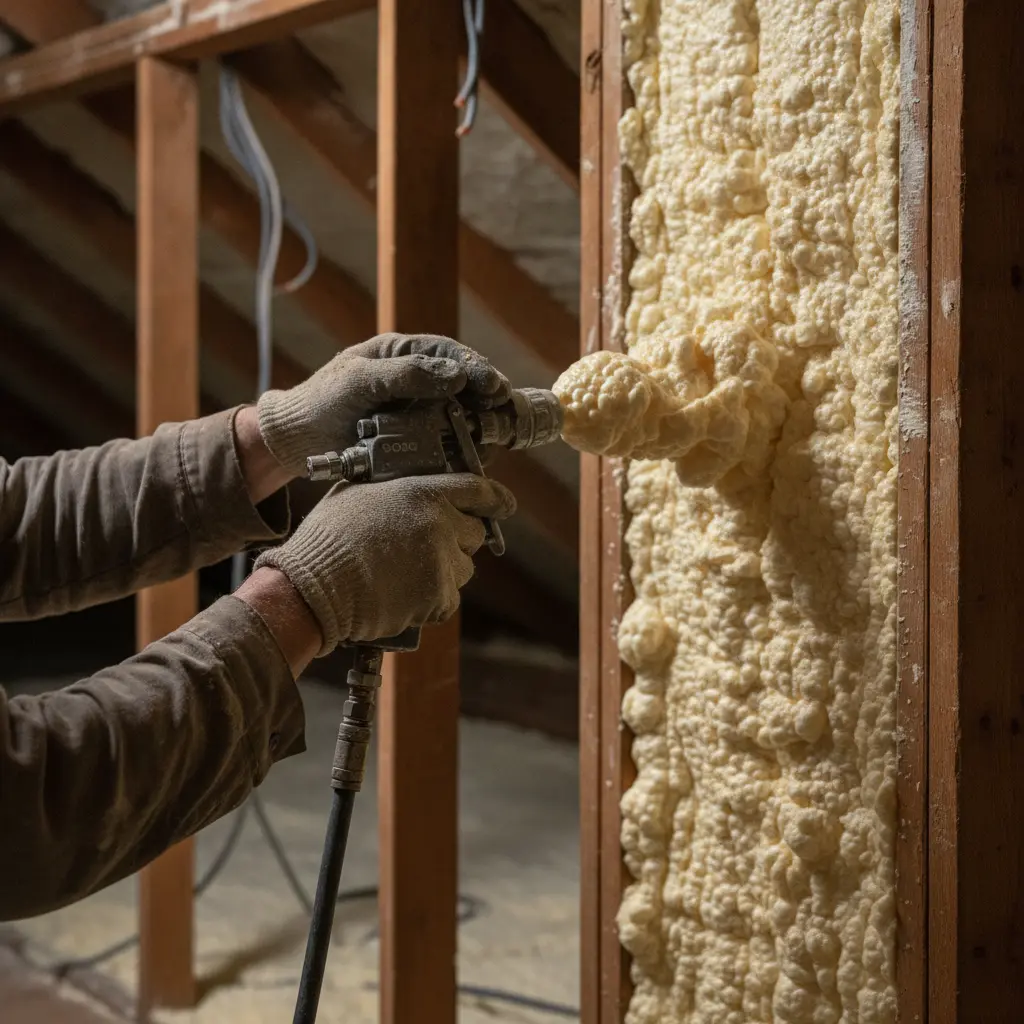
Our team in action — insulation professionals serving Chula Vista
Fiberglass Insulation Methods We Use in Chula Vista
Fiberglass Batt Installation
Pre-cut fiberglass batts are the standard choice for new construction framing and open wall cavities in Chula Vista remodels. Available in faced (with kraft paper or foil vapor retarder) and unfaced versions, batts are sized to fit 16-inch and 24-inch on-center framing commonly found throughout Chula Vista’s residential construction. Faced batts installed in exterior walls of older west-side homes provide the moisture management needed in the bay-influenced western microclimate.
Blown-In Fiberglass (Loose-Fill)
Blown-in fiberglass is our preferred method for existing attic floors and is ideal for the complex hip roof geometries common in Eastlake Greens and Otay Ranch homes. The loose-fill material conforms to obstructions, covers joist ends evenly, and achieves consistent depth without the gaps that improperly cut batts leave behind. We also use blown-in fiberglass for dense-pack wall cavity installation through small drilled holes, avoiding full drywall removal in occupied Chula Vista homes. Learn more about our blow-in insulation services
Fiberglass and Spray Foam Hybrid Systems
For maximum performance in high-solar-gain roof assemblies — common on south- and west-facing rooflines in the Otay Ranch and Eastlake communities — we combine closed-cell spray foam at the roof deck with blown-in fiberglass on the attic floor. The spray foam provides a radiant and air barrier while the fiberglass provides the bulk of the thermal resistance at a lower cost per R-value. Explore our spray foam insulation options
Crawl Space Fiberglass Floor Insulation
Older homes in western Chula Vista with vented crawl spaces receive R-19 or R-25 fiberglass batts installed between floor joists, supported by wire hangers or netting. This application addresses the cold-floor complaints common in winter months in these properties. See our crawl space insulation services
Ready for Fiberglass Insulation? Get Your Free Estimate Today.
Next Level Insulation of Chula Vista serves Chula Vista and the surrounding area — we’ll be on-site within 24 hours.
📞 Call (619) 789-4273Fiberglass Insulation Cost in Chula Vista, CA
Understanding the cost of fiberglass insulation in Chula Vista helps homeowners budget accurately and evaluate quotes. Pricing depends on the type of installation, the area covered, existing conditions, and any preparatory work required.
Typical Price Ranges
- Attic blown-in fiberglass (R-30 to R-49): $1.50–$2.50 per square foot installed. A typical 1,200 sq ft Chula Vista attic costs $1,800–$3,000.
- Fiberglass batt installation in walls (R-13 to R-15): $1.00–$1.75 per square foot. A full exterior wall insulation upgrade on a 1,500 sq ft home runs approximately $2,000–$4,500 depending on access method.
- Crawl space fiberglass floor insulation (R-19 to R-25): $2.00–$3.50 per square foot, with average projects ranging $1,500–$3,500.
- Complete attic insulation removal and replacement: $2,500–$5,500 for a mid-size Chula Vista home, including disposal fees.
Chula Vista-Specific Cost Factors
Labor costs in Chula Vista and the broader San Diego metro are higher than national averages, reflecting California’s prevailing wage environment and higher cost of living. Material costs for fiberglass products have stabilized following supply chain disruptions in 2021–2022 but remain approximately 15–20% above pre-pandemic levels.
Homes in eastern Chula Vista communities with tile roofs and complex attic geometries may add 10–20% to attic labor costs due to access difficulty. Older west-side homes requiring complete removal of original blown-in cellulose or degraded batts before installation add $500–$1,500 to project totals.
SDG&E’s Energy Savings Assistance Program and California’s TECH Clean California initiative offer rebates that can offset $200–$1,000 of project costs for qualifying Chula Vista households. Ask us for current rebate eligibility information when you call (619) 789-4273.
Chula Vista Neighborhoods We Serve
Eastlake Greens
Developed primarily between 1990 and 2005, Eastlake Greens homes feature tile roofs, two-story construction, and complex hip roof geometries. Original attic insulation in these homes typically measured R-19 to R-30 — adequate at time of construction but now below current Title 24 minimums and degraded after 20–30 years. Blown-in fiberglass upgrades to R-49 are the most common project we complete in this community. Fiberglass insulation in Eastlake Greens
Otay Ranch
Chula Vista’s newest master-planned community, with homes built from the late 1990s through the 2010s, Otay Ranch sits in the hotter eastern foothills microclimate. South- and west-facing rooflines in this area accumulate enormous solar heat gain, making attic insulation upgrades and hybrid spray foam systems especially high-value investments for homeowners here.
West Chula Vista (Broadway and Castle Park Areas)
The oldest residential sections of Chula Vista — many built between 1950 and 1970 along corridors like Broadway, Hilltop Drive, and L Street — present the greatest need for complete insulation removal and replacement. Original wall insulation in these properties is frequently absent entirely or limited to deteriorated R-7 batts, and attic floors show extensive rodent damage and moisture staining.
Bonita
The semi-rural community of Bonita, just northeast of Chula Vista proper, features larger single-family homes on generous lots with significant tree canopy. Homes here tend to be 1960s–1980s construction with large attic spaces that are chronically under-insulated. We regularly serve Bonita homeowners looking to upgrade to R-49 attic insulation to meet current California energy standards. Fiberglass insulation in Bonita
Fiberglass Insulation Maintenance Tips for Chula Vista Homeowners
- Inspect attic insulation annually — ideally in the fall before the heating season. Check for compressed areas, moisture staining, and rodent activity, which is especially common near the brushy foothills of eastern Chula Vista.
- Seal attic access hatches with weatherstripping and ensure the hatch cover itself is insulated to at least R-30 to prevent it from becoming a thermal bridge.
- Monitor for marine-layer moisture — if you notice musty odors from your attic during the June–September marine layer season, have insulation inspected for moisture absorption before damage spreads.
- Keep soffit vents clear — Chula Vista’s coastal sage scrub and landscaping can deposit debris in soffit vents, reducing attic ventilation and trapping heat and moisture that degrade fiberglass over time.
- Address roof leaks immediately — even small Chula Vista winter rain events (typically December through March) can saturate fiberglass insulation, collapsing its fiber structure and reducing R-value significantly.
- Avoid compressing insulation with stored items in the attic. Compression reduces fiberglass R-value proportionally — a 6-inch R-19 batt compressed to 3 inches performs closer to R-9.
- Schedule a professional inspection every 10 years at minimum, or following any major HVAC replacement, roof repair, or significant pest treatment in your home.
Why Choose Next Level Insulation of Chula Vista
Next Level Insulation of Chula Vista is a locally focused insulation contractor serving homeowners and business owners throughout Chula Vista, Bonita, National City, La Mesa, Spring Valley, and surrounding South Bay communities. Our technicians work exclusively in the San Diego region, meaning we bring direct familiarity with Chula Vista’s specific microclimates, housing eras, and building code requirements — not generalized knowledge applied from elsewhere.
We understand the difference between the marine-influenced west side and the hot, dry eastern foothills, and we tailor every fiberglass insulation recommendation to your specific address and home type. We do not apply one-size-fits-all solutions.
Our team handles the full scope of insulation services: attic insulation, insulation removal, insulation replacement, crawl space encapsulation, and more — meaning you work with one trusted contractor from assessment through completion.
We provide written, itemized estimates with no hidden fees and assist customers in identifying applicable SDG&E and state rebate programs to reduce out-of-pocket costs. Call us at (619) 789-4273 to speak directly with a Chula Vista insulation specialist.
Frequently Asked Questions: Fiberglass Insulation in Chula Vista, CA
How much does fiberglass insulation cost in Chula Vista?
Costs vary by scope, but typical Chula Vista projects range from $1,800–$3,000 for attic blown-in fiberglass installation on a 1,200 sq ft attic floor, $2,000–$4,500 for exterior wall batt upgrades, and $1,500–$3,500 for crawl space floor insulation. Full removal and replacement projects run $2,500–$5,500 or more. Call (619) 789-4273 for a free on-site estimate.
What R-value does my Chula Vista home need?
Chula Vista falls within California’s Climate Zone 7. Current Title 24 requirements specify a minimum of R-38 in attics (R-49 is recommended for optimal performance in hotter eastern neighborhoods like Eastlake and Otay Ranch), R-13 in 2×4 exterior walls, and R-19 in floors over unconditioned crawl spaces.
How long does fiberglass insulation last in Chula Vista’s climate?
Properly installed fiberglass insulation in a dry, well-ventilated attic can last 20–30 years. However, Chula Vista’s marine-layer humidity and occasional roof leaks during winter rains can accelerate degradation. Pest activity — particularly roof rats common in west Chula Vista neighborhoods — can damage insulation significantly within just a few years of installation if not addressed.
Do I need a permit to replace attic insulation in Chula Vista?
Simple like-for-like insulation replacement typically does not require a permit from the City of Chula Vista Building Division. However, if your project is part of a broader remodel, HVAC replacement, or room addition, Title 24 compliance documentation may be required. We help customers determine permit requirements at the time of estimate.
Is fiberglass insulation safe for my family?
Modern fiberglass insulation products are classified as non-carcinogenic by major health agencies and are safe in properly installed applications. During installation, our technicians use respiratory protection and protective clothing to prevent temporary skin and airway irritation from glass fiber particles. Completed installations behind drywall or above attic floors pose no ongoing health risk to building occupants.
How does fiberglass compare to spray foam for my Chula Vista home?
Fiberglass offers excellent thermal performance at a lower installed cost per square foot than spray foam, making it the right choice for most attic floor and standard wall cavity applications in Chula Vista. Spray foam outperforms fiberglass in air sealing, moisture resistance, and applications where space is limited. For Chula Vista homes with significant solar heat gain or roof deck applications, a hybrid system using both materials often delivers the best performance-to-cost ratio. Compare spray foam and fiberglass options
Can I get rebates for fiberglass insulation in Chula Vista?
Yes. SDG&E customers may qualify for rebates through the Energy Savings Assistance Program (for income-qualified households) or through the California Public Utilities Commission’s residential programs. Rebate amounts and eligibility requirements change periodically; our team can advise you on current available programs when you schedule your free estimate.
How long does a typical fiberglass insulation installation take in Chula Vista?
Most residential attic insulation projects in Chula Vista are completed in one day. Full removal and replacement projects may require two days. Wall cavity insulation using dense-pack blown-in methods typically adds a day of work. We provide specific timelines in your written estimate so you can plan accordingly.
Get a Free Fiberglass Insulation Estimate in Chula Vista Today
If your Chula Vista home is uncomfortable, your SDG&E bills are climbing, or your insulation hasn’t been inspected in years, now is the time to act. Next Level Insulation of Chula Vista provides free, no-obligation on-site assessments throughout Chula Vista, Bonita, National City, La Mesa, Spring Valley, Lemon Grove, Imperial Beach, and the surrounding South Bay area.
Our team will evaluate your existing insulation, recommend the right fiberglass solution for your home’s specific location, construction era, and budget, and provide a clear written estimate with no surprises.
Call us now at (619) 789-4273 to speak with a Chula Vista insulation specialist and schedule your free assessment. Comfort, energy savings, and compliance with California’s Title 24 energy code are all within reach — let Next Level Insulation of Chula Vista help you get there.