

Crawl Space Insulation in Chula Vista, CA
Energy-Saving Crawl Space Insulation in Chula Vista, CA for Chula Vista, CA Homes — Licensed & Insured
Need crawl space insulation in Chula Vista, CA? Next Level Insulation offers expert encapsulation & insulation services. Call 619-789-4273 for a free estimate.
- Licensed & Insured
- Locally Owned & Operated
- Free Inspection & Estimate
Request Your
Free EstimateCrawl space insulation is the process of thermally sealing and protecting the below-floor cavity of your home, preventing heat loss, moisture intrusion, and pest access from the ground up. In Chula Vista, CA — where coastal humidity rolls in from the San Diego Bay, marine layer conditions persist through summer mornings, and soil moisture levels fluctuate seasonally — an uninsulated crawl space can silently drive up energy bills and degrade indoor air quality year-round.
At Next Level Insulation of Chula Vista, we specialize in crawl space insulation solutions built specifically for Chula Vista’s climate and housing stock. From older post-war bungalows in western Chula Vista to newer tract homes in Eastlake and Otay Ranch, our skilled team delivers clean, professional results using the right materials for each structure. If you want a more comfortable, energy-efficient home, a properly insulated crawl space is one of the highest-return upgrades you can make. Call us today at 619-789-4273.
Understanding Crawl Space Insulation
A crawl space is a shallow, unfinished area beneath the first floor of a home that provides access to plumbing, electrical wiring, and ductwork without the expense of a full basement. These spaces typically range from 18 inches to 4 feet in height and sit directly above bare soil or a thin concrete slab. Because they connect the earth below to the living space above, they act as a primary pathway for cold air, moisture vapor, and outdoor contaminants to enter your home.
Crawl space insulation addresses this vulnerability by adding a thermal and moisture barrier between the ground and your living area. Historically, builders in Southern California — including Chula Vista — installed fiberglass batt insulation between floor joists as the standard approach, a method dating back to post-World War II suburban construction booms. While this was considered adequate at the time, modern building science has demonstrated that this approach alone fails to stop moisture vapor migration and air infiltration, particularly in coastal environments.
Contemporary crawl space insulation methods have evolved significantly. Today, best practices often involve encapsulation — sealing the crawl space walls and floor with vapor barriers or spray foam — rather than simply insulating between the joists. This “conditioned crawl space” approach is now recognized by the California Energy Code and the Building Performance Institute as the superior method for climates like Chula Vista’s.
Chula Vista’s housing stock reflects multiple construction eras: older single-family homes from the 1940s through 1970s in areas like Castle Park and western Chula Vista frequently have vented crawl spaces with deteriorating or absent insulation. Mid-century and newer tract developments in areas like Eastlake Greens and Bonita often have partial encapsulation that was done to minimum code but is now aging. Multi-family units and townhomes near Third Avenue and H Street corridors present unique shared-wall challenges that require tailored insulation strategies.
Understanding which approach is appropriate for your specific crawl space requires an on-site assessment — something our Next Level Insulation team provides as part of every project consultation.
Why Crawl Space Insulation Is Needed in Chula Vista, CA
Marine Layer and Coastal Humidity
The Pacific marine layer pushes inland over Chula Vista from late spring through early fall, frequently keeping morning relative humidity levels above 80% in western neighborhoods like Otay Ranch, Palomar Trolley Station vicinity, and areas near the Sweetwater Marsh National Wildlife Refuge. The National Weather Service San Diego office records average annual relative humidity in coastal Chula Vista at approximately 72%, with overnight lows in January and February regularly dropping to 45°F–50°F. This combination of moisture-laden air and cool temperatures creates near-perfect conditions for condensation inside uninsulated crawl spaces — condensation that soaks into wood framing, promotes mold growth, and significantly reduces the effective R-value of any existing fiberglass batts.
Chula Vista’s Expansive Clay Soils
Much of Chula Vista sits on Sweetwater and Otay clay formations — expansive clay soils that absorb water and swell during the rainy season (typically November through March) and then dry and crack during summer. These soil movements create gaps at the crawl space perimeter, allowing both moisture and conditioned air to escape. Geotechnical surveys of the South Bay region consistently classify these soils as “high shrink-swell potential,” and homeowners in areas like Bonita, La Presa, and the older sections of National City adjacent to Chula Vista regularly report foundation movement effects that compromise vapor barriers over time.
Atmospheric River Events
California’s atmospheric river events — most recently the significant storms of January and February 2023 that dropped over 4 inches of rain on Chula Vista in a single week — drive water infiltration into crawl spaces at rates that overwhelm aging or absent vapor barriers. The Chula Vista Fire Department and city public works documented dozens of residential flooding calls during those events, many involving crawl space water intrusion in neighborhoods like Castle Park, Harborside, and areas west of Interstate 805. Homes without proper crawl space insulation and encapsulation are dramatically more vulnerable during these events.
Energy Impact of Uninsulated Crawl Spaces
San Diego Gas & Electric data for Chula Vista’s 91910 and 91911 ZIP codes shows that homes with uninsulated or poorly insulated crawl spaces consume an estimated 15%–25% more heating and cooling energy than comparable insulated homes. With SDG&E’s tiered rate structure — where Tier 2 rates can reach $0.45–$0.55 per kWh — this inefficiency translates to $300–$600 or more in unnecessary annual energy costs for the average Chula Vista household.
Signs You Need Crawl Space Insulation in Chula Vista
Comfort and Energy Warning Signs
- Floors feel noticeably cold in the morning, especially during Chula Vista’s December–February cool season when overnight temps drop below 50°F
- Unexplained spikes in your SDG&E bill despite no change in usage habits
- Rooms on the first floor are consistently harder to heat or cool than upper-floor rooms
- HVAC system runs longer cycles than expected, particularly during June Gloom or Santa Ana wind events
Moisture and Structural Warning Signs
- Musty odors rising from floors — a common sign of crawl space mold, especially after winter rain events
- Visible wood rot or dark staining on floor joists or subfloor when you look into the crawl space
- Condensation or standing water in the crawl space following atmospheric river rain events
- Sagging or spongy feeling in hardwood or engineered wood floors
- Deteriorating, torn, or missing fiberglass batt insulation hanging between joists
Urgency Indicators
- Visible mold colonies on joists or vapor barriers — this requires immediate remediation
- Evidence of pest activity (termite frass, rodent droppings) in the crawl space, which often enters through gaps where insulation has failed
- Your home was built before 1985 and has never had a crawl space insulation assessment
Our Crawl Space Insulation Process
At Next Level Insulation of Chula Vista, we follow a structured, proven process that accounts for the specific conditions of your Chula Vista home — from the clay soil conditions in Bonita to the coastal humidity pressures in western Chula Vista neighborhoods near the bay.
Initial Consultation and Site Assessment (Day 1 — 1–2 Hours)
Our certified insulation specialist visits your property and conducts a thorough inspection of the crawl space, including moisture readings, existing insulation condition assessment, structural framing evaluation, and identification of vapor intrusion points. We photograph all findings and discuss them with you in plain language before recommending any work.
Scope Development and Material Selection (Day 1–2 — Same Day or Next Day)
Based on the assessment, we develop a customized scope of work that specifies insulation type (spray foam, rigid foam board, fiberglass batts, or encapsulation system), R-value targets, and any needed moisture mitigation. For Chula Vista homes with clay soil expansion issues, we typically recommend full perimeter sealing as part of the scope.
Crawl Space Preparation and Debris Removal (Day of Installation — 1–3 Hours)
Before any new insulation is installed, we remove all deteriorated existing insulation, debris, and any standing water. This is critical in Chula Vista homes affected by winter storms or long-term moisture accumulation. We also address any visible mold areas per California Department of Public Health guidelines before proceeding.
Vapor Barrier Installation (Day of Installation — 1–2 Hours)
We install a minimum 6-mil (typically 12-mil for Chula Vista’s coastal humidity conditions) polyethylene vapor barrier across the crawl space floor, lapping it up the foundation walls and securing it with tape and fasteners. In encapsulation projects, this barrier covers the walls completely and ties into the rim joist sealing.
Insulation Application (Day of Installation — 2–6 Hours Depending on Method)
We apply the selected insulation method — spray foam at the rim joists, rigid foam board on walls, or fiberglass batts between joists — according to California Title 24 energy code requirements and manufacturer specifications for Chula Vista’s Climate Zone 7.
Final Inspection and Air Sealing (Day of Installation — 1 Hour)
Every completed crawl space receives a final walk-through inspection, checking for gaps, missed areas, and vapor barrier integrity. We seal all penetrations (plumbing, electrical, HVAC) with appropriate materials.
Client Walkthrough and Documentation (Day of Installation — 30 Minutes)
We review all completed work with you, provide before-and-after photos, and give you written documentation of materials used, R-values achieved, and any maintenance recommendations specific to your Chula Vista home.
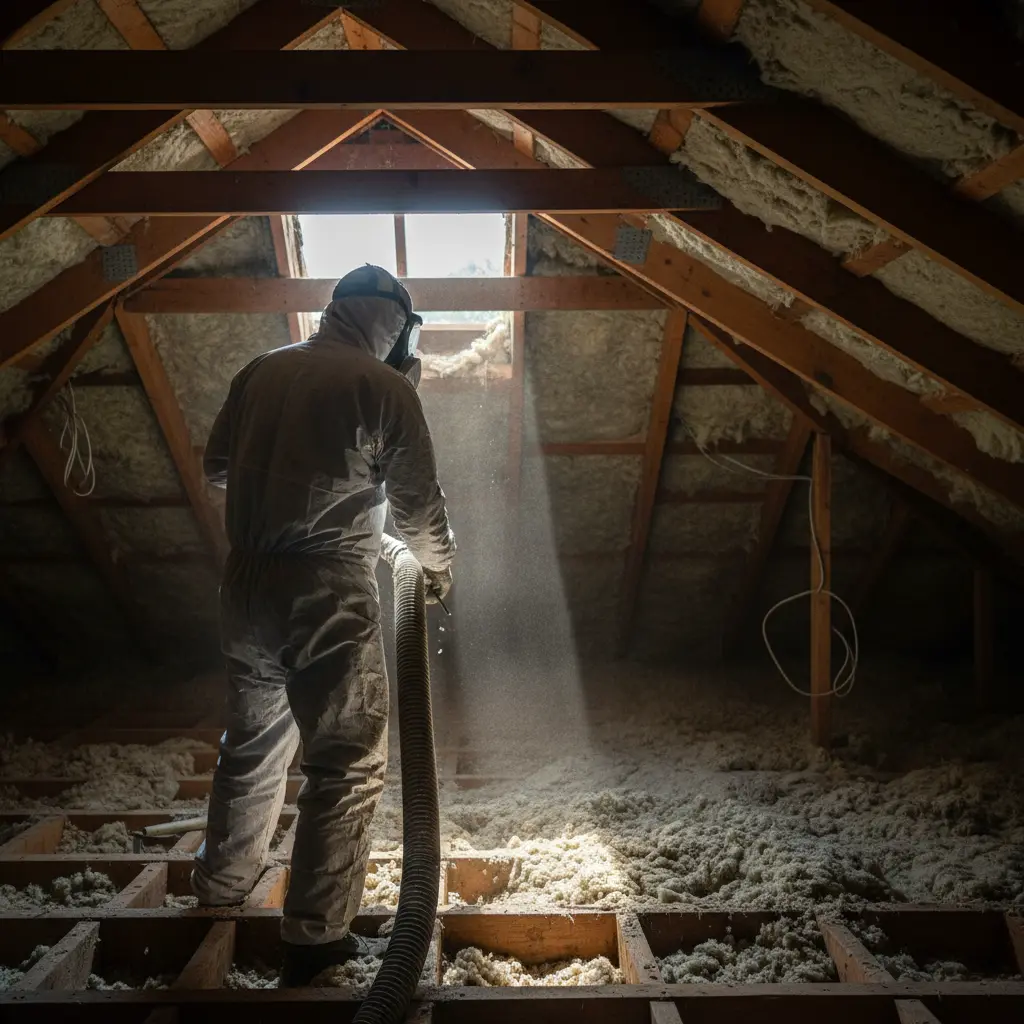
Our team in action — insulation professionals serving Chula Vista
Crawl Space Insulation Methods We Use in Chula Vista
Spray Foam Insulation (Closed-Cell)
Closed-cell spray polyurethane foam (SPF) is the premium solution for Chula Vista crawl spaces with significant moisture challenges. Applied at 1.5–3 inches to crawl space walls and rim joists, it achieves R-values of R-10 to R-20, creates an air and vapor barrier simultaneously, and adds structural rigidity to foundation walls. This method is ideal for homes near Sweetwater Marsh or western Chula Vista neighborhoods experiencing consistent marine layer humidity. Learn more about our spray foam insulation services
Fiberglass Batt Insulation Between Joists
The traditional approach installs R-19 or R-30 fiberglass batts between floor joists, facing down toward the ground. While less effective than encapsulation at stopping moisture vapor, it remains a cost-effective option for Chula Vista homes in drier inland areas like Eastlake Greens or homes with existing functional vapor barriers. Explore our blown-in and batt insulation options
Rigid Foam Board on Crawl Space Walls
Extruded polystyrene (XPS) or polyisocyanurate foam board installed on the interior crawl space walls creates an insulated, conditioned crawl space. This approach works well with Chula Vista’s clay soil conditions because it does not degrade with moisture contact like fiberglass does during soil-expansion wet seasons.
Full Encapsulation System
The most comprehensive solution combines wall foam insulation, rim joist spray foam, a reinforced floor vapor barrier, and a sealed access door. Encapsulation is strongly recommended for any Chula Vista home that experienced water intrusion during the January 2023 atmospheric river events or that sits on the low-elevation clay soils common to western Chula Vista and Bonita.
Ready for Crawl Space Insulation? Get Your Free Estimate Today.
Next Level Insulation of Chula Vista serves Chula Vista and the surrounding area — we’ll be on-site within 24 hours.
📞 Call 619-789-4273Crawl Space Insulation Cost in Chula Vista, CA
Understanding the cost of crawl space insulation in Chula Vista helps homeowners plan their investment and compare quotes accurately. Pricing varies based on square footage, method chosen, existing conditions, and access difficulty.
Typical Price Ranges
- Basic fiberglass batt replacement (per linear foot of joist bay): $1.50–$3.00 per square foot; typical 1,200 sq ft Chula Vista crawl space: $1,800–$3,600
- Spray foam at rim joists and walls only: $1,500–$3,500 depending on crawl space perimeter footage
- Rigid foam board on crawl space walls: $2,000–$4,500 for a typical Chula Vista single-family home
- Full encapsulation system (vapor barrier + wall foam + rim joist spray foam): $4,500–$9,500+ for a 1,000–1,500 sq ft crawl space footprint
- Combined insulation and mold remediation (needed after atmospheric river water intrusion): Add $500–$2,500 depending on extent
Factors That Affect Cost in Chula Vista
- Crawl space height: Many older Castle Park and Harborside homes have crawl spaces under 24 inches — tight access increases labor time and cost by 15%–25%
- Existing insulation removal: Removing old, deteriorated fiberglass batts adds $0.50–$1.00 per square foot
- Moisture damage remediation: Homes affected by Chula Vista’s clay soil moisture cycles may need perimeter drainage additions
- California Title 24 upgrade requirements: Permitted projects must meet minimum R-19 under-floor or comply with crawl space wall minimums
Return on Investment
Given SDG&E’s current tiered rate structure, most Chula Vista homeowners recoup crawl space insulation investments within 4–8 years through energy savings alone, not counting improved comfort and reduced moisture damage repair costs. Call us at 619-789-4273 for a free, no-obligation estimate.
Crawl Space Insulation Service Areas in and Around Chula Vista
Eastlake Greens, Chula Vista
Developed primarily in the 1990s and early 2000s, Eastlake Greens homes often have original builder-installed fiberglass batts that are now 20–30 years old and showing moisture and pest damage. We frequently upgrade these to encapsulation systems to address aging vapor barriers.
Castle Park and Western Chula Vista
This area’s 1950s–1970s housing stock frequently has completely absent or severely deteriorated crawl space insulation. Homes here sit on older clay soil profiles very close to the bay, making moisture intrusion a persistent issue requiring full encapsulation approaches.
Bonita
Bonita’s semi-rural properties, often on larger lots with older construction from the 1960s–1980s, frequently have vented crawl spaces exposed to significant soil moisture from the Sweetwater River floodplain vicinity. Rigid foam plus encapsulation is our standard recommendation here.
National City and La Presa
These adjacent communities have similar older housing profiles and expansive clay soil conditions. We serve these areas as part of our greater South Bay service region. See our full service area coverage
We also serve Encanto, Hillcrest, North Park, San Diego, University Heights, South Park, Imperial Beach, La Mesa, Lemon Grove, and Spring Valley.
Crawl Space Insulation Maintenance Tips for Chula Vista Homeowners
Protecting your crawl space insulation investment in Chula Vista’s coastal climate requires periodic attention. Here are our top maintenance recommendations:
- Inspect after major rain events: Following atmospheric river storms like those of January–February 2023, check your crawl space access for signs of standing water or vapor barrier displacement before the next heating season.
- Check vents annually: If your crawl space has foundation vents, inspect them each fall before Chula Vista’s rainy season (November–March) to ensure screens are intact and vents function as intended.
- Monitor for pest entry points: Rodents and termites — both active in Chula Vista’s mild climate year-round — can compromise insulation. Schedule an annual pest inspection that includes crawl space access.
- Re-inspect vapor barriers every 3–5 years: Clay soil expansion and contraction in Chula Vista can shift barrier edges; re-tape or re-secure as needed.
- Keep crawl space access doors sealed: An open or cracked access door is one of the single largest sources of crawl space air and moisture intrusion.
- Watch for musty odors indoors: A musty smell rising from floors after winter rains is an early warning sign of crawl space moisture problems — address it before mold establishes.
- Consider a moisture meter check: Every 5 years, have a professional verify wood moisture content in crawl space framing is below 19% — the threshold above which wood rot and mold risk increases significantly.
Why Choose Next Level Insulation of Chula Vista
Next Level Insulation of Chula Vista is your local expert for crawl space insulation solutions designed around the real conditions that Chula Vista homeowners face — coastal humidity, clay soil expansion, marine layer moisture, and an aging housing stock that needs modern energy solutions.
We specialize exclusively in insulation services — spray foam, blown-in, attic upgrades, garage insulation, and crawl space work — which means every member of our team understands the science and the local climate nuances that affect insulation performance in the South Bay. We are not a general contractor dabbling in insulation; this is what we do, every day, in your community.
Our work is tailored to Chula Vista’s Climate Zone 7 requirements under California Title 24, ensuring that every project we complete meets or exceeds current energy code. We provide transparent, itemized estimates before any work begins, and our team takes the time to explain every recommendation so you can make an informed decision.
When you call Next Level Insulation of Chula Vista at 619-789-4273, you reach a local team that knows your neighborhood, knows your building type, and knows how to deliver results that last in Chula Vista’s unique environment. Learn more about our team and approach
Frequently Asked Questions: Crawl Space Insulation in Chula Vista, CA
How much does crawl space insulation cost in Chula Vista?
In Chula Vista, basic fiberglass batt replacement typically runs $1,800–$3,600 for a standard single-family home crawl space. Full encapsulation systems — the recommended approach for Chula Vista’s coastal humidity and clay soil conditions — range from $4,500 to $9,500 or more depending on square footage, existing conditions, and whether moisture remediation is needed. Call us at 619-789-4273 for a free, accurate estimate specific to your home.
Is crawl space encapsulation necessary in Chula Vista, or is basic insulation enough?
For homes in western Chula Vista near the bay, in areas with expansive Sweetwater or Otay clay soils, or in any home that experienced water intrusion during rain events, full encapsulation is strongly recommended. For drier inland Chula Vista locations like Eastlake or Otay Ranch with functional existing vapor barriers, insulation upgrades alone may be sufficient. A site assessment will determine the right approach for your specific property.
How long does crawl space insulation installation take in Chula Vista?
Most standard crawl space insulation projects in Chula Vista are completed in a single day. Full encapsulation projects on larger homes or homes with significant moisture damage may take 1–2 days. We schedule all work to minimize disruption and provide a specific timeline during your initial consultation.
Will crawl space insulation really lower my SDG&E bills?
Yes — studies and SDG&E data consistently show that homes with properly insulated crawl spaces use 15%–25% less energy for heating and cooling. In Chula Vista’s tiered SDG&E rate structure, this typically translates to $300–$600 in annual savings for an average household, meaning most projects pay for themselves within 4–8 years.
Does crawl space insulation help with the musty smell in my Chula Vista home?
Absolutely. Musty odors in Chula Vista homes are almost always connected to crawl space moisture and mold. Proper insulation and encapsulation eliminates the moisture pathway that allows mold spores and musty air to migrate into your living space. If active mold is present, we address that as part of the project scope before installing new insulation.
Does Chula Vista require permits for crawl space insulation work?
Permit requirements depend on the scope of work. Replacing existing insulation with like-for-like materials generally does not require a permit in the City of Chula Vista. However, full encapsulation projects that involve converting vented crawl spaces to conditioned spaces may require a building permit under California Title 24 compliance requirements. We advise you on permit needs during the scoping process.
How does Chula Vista’s clay soil affect my crawl space over time?
Chula Vista’s Sweetwater and Otay clay formations expand when wet and contract when dry, a process that repeats every rainy season. Over time, this soil movement can shift vapor barriers, open gaps at foundation perimeters, and allow moisture to infiltrate previously sealed areas. This is why we recommend 12-mil reinforced vapor barriers (rather than the minimum 6-mil) and perimeter sealing systems for Chula Vista homes, particularly in Bonita, Castle Park, and areas near the Otay River valley.
Can I use my crawl space for storage after it’s been insulated?
In most cases, Chula Vista homeowners can use an encapsulated crawl space for light, dry storage after installation — the space becomes much more controlled and clean. However, we advise against storing moisture-sensitive materials there and recommend keeping the access door sealed at all times when not in use. Our team will discuss storage considerations specific to your crawl space design during the final walkthrough.
Get Your Free Crawl Space Insulation Estimate in Chula Vista Today
Don’t let an uninsulated or under-insulated crawl space drain your energy budget and expose your home to Chula Vista’s coastal moisture challenges. Whether you’re in Castle Park, Eastlake Greens, Bonita, or anywhere in the South Bay, Next Level Insulation of Chula Vista is ready to assess your crawl space and deliver a solution that fits your home, your budget, and Chula Vista’s climate.
Call us today at 619-789-4273 to schedule your free, no-obligation crawl space insulation assessment. Our team will walk your property, provide honest recommendations, and give you a clear, itemized estimate — no pressure, no surprises.
Contact Next Level Insulation of Chula Vista to book your assessment
Serving Chula Vista, Bonita, National City, Imperial Beach, La Mesa, Spring Valley, Lemon Grove, La Presa, and greater San Diego. We are your local crawl space insulation experts — right here in the South Bay.