
Closed Cell Spray Foam Insulation in El Monte, CA
Energy-Saving Closed Cell Spray Foam Insulation for El Monte, CA Homes — Licensed & Insured
Need closed cell spray foam insulation in El Monte, CA? Next Level Insulation delivers expert installation for homes & businesses. Call (626) 469-7656 today.
- Licensed & Insured
- Locally Owned & Operated
- Free Inspection & Estimate
Request Your
Free EstimateClosed cell spray foam insulation is one of the highest-performing thermal and moisture barriers available for residential and commercial properties today. Unlike open cell foam or traditional fiberglass batts, closed cell spray foam expands to fill cavities with a rigid, dense structure that delivers an exceptional R-value of approximately 6.0 to 7.0 per inch — making it the gold standard for energy efficiency and structural reinforcement.
In El Monte, CA, where summer temperatures routinely climb above 95°F and the region sits within the San Gabriel Valley’s unique microclimate, proper insulation is not a luxury — it is a necessity. Older housing stock, commercial warehouses along Peck Road, and mid-century residential neighborhoods all present unique insulation challenges that demand a solution as durable and adaptable as closed cell spray foam.
At Next Level Insulation of El Monte, our team understands the specific construction styles, climate pressures, and building codes that define El Monte properties. We deliver closed cell spray foam solutions tailored to your building’s exact needs. Call us today at (626) 469-7656 to get started.
Understanding Closed Cell Spray Foam Insulation
Closed cell spray foam insulation is a two-component polyurethane material that, when mixed and sprayed, undergoes a rapid chemical reaction. The foam expands to roughly 30 to 60 times its liquid volume and then cures into a rigid, closed-cell matrix. The term “closed cell” refers to the fact that the individual foam cells are sealed shut, trapping insulating gases inside and creating a structure that is both thermally superior and highly resistant to moisture, air infiltration, and vapor transmission.
Historically, spray polyurethane foam (SPF) technology was developed in the 1940s and gained significant traction in commercial construction through the 1970s and 1980s. By the early 2000s, improvements in blowing agents and application equipment made closed cell foam increasingly accessible for residential applications. In Southern California, adoption accelerated as Title 24 energy codes became progressively more stringent, compelling builders and retrofitters to seek insulation solutions that could meet rising R-value requirements without sacrificing wall cavity space.
In El Monte specifically, the housing stock is dominated by single-family homes built between the 1940s and the 1970s — a construction era characterized by 2×4 wall framing with limited insulation cavities. Many of these older homes were built with little to no wall insulation, relying instead on the mild reputation of Southern California winters. However, El Monte’s position in the inland San Gabriel Valley means it experiences significantly hotter summers and cooler winters than coastal communities like Santa Monica or Long Beach. This inland thermal amplification makes the high R-value and air-sealing properties of closed cell spray foam especially valuable.
Closed cell foam is also widely used in El Monte’s significant light industrial and warehouse sector. Buildings along Valley Boulevard and Santa Anita Avenue frequently use closed cell foam to insulate metal roof decks, controlling radiant heat gain and condensation — two persistent issues in large-span metal buildings throughout the valley. Crawl spaces, attic cavities, rim joists, and below-grade walls all represent common application points in El Monte’s diverse building inventory.
For property owners considering spray foam insulation services, closed cell foam offers distinct advantages over its open cell counterpart in hot, dry climates with periodic moisture exposure.
Why Closed Cell Spray Foam Insulation Is Needed in El Monte, CA
Extreme Inland Heat and the Urban Heat Island Effect
El Monte sits approximately 12 miles east of downtown Los Angeles within the San Gabriel Valley, a basin surrounded by the San Gabriel Mountains to the north and a series of lower ridgelines to the south and west. This bowl-shaped geography traps heat during summer months. The National Weather Service has recorded summer high temperatures at nearby El Monte Airport (EMT) regularly exceeding 100°F during heat events. The July 2018 heat wave saw temperatures in the San Gabriel Valley climb to 108°F in some interior locations, placing extreme thermal stress on poorly insulated homes. Conventional fiberglass or blown-in attic insulation alone cannot adequately combat radiant heat gain through rooflines at these temperatures. Closed cell foam, applied directly to the underside of roof decking or within rafter bays, creates a conditioned attic space and dramatically reduces cooling loads — a critical benefit when air conditioning accounts for the majority of summer energy bills in El Monte households.
Aging Housing Stock and Air Leakage
A significant portion of El Monte’s residential neighborhoods — including areas like North El Monte and the corridors surrounding Ramona Boulevard — feature homes constructed between 1945 and 1968. These properties typically have minimal wall insulation, unsealed rim joists, and attic bypasses that allow conditioned air to escape freely. Studies by the Lawrence Berkeley National Laboratory have found that older California homes can lose 30–40% of their conditioned air through unintentional air leakage. Closed cell spray foam’s monolithic air barrier addresses this directly, expanding into gaps, cracks, and voids that no batt or loose-fill product can adequately seal.
Moisture Intrusion and the Rio Hondo Floodplain
El Monte borders the Rio Hondo River channel, and portions of the city — particularly near Lower Azusa Road and the industrial zones adjacent to the riverbed — sit within or near FEMA-designated flood zones. Even properties outside direct flood risk experience elevated soil moisture levels, especially in crawl space environments. The expansive clay soils common throughout the San Gabriel Valley absorb and release moisture seasonally, creating fluctuating humidity conditions below slab and pier-and-beam foundations. Closed cell spray foam’s vapor permeance rating of less than 1 perm at 2 inches of thickness makes it an exceptional vapor retarder for crawl spaces and below-grade applications, preventing mold growth and structural wood decay.
Title 24 Compliance Pressure
California’s Title 24 Building Energy Efficiency Standards have become increasingly demanding with each code cycle. The 2022 Title 24 update requires higher whole-building energy performance, particularly for additions and significant renovations. Closed cell spray foam allows contractors to achieve code-required R-values within thinner wall assemblies — a critical advantage when retrofitting El Monte’s older 2×4 framed homes where wall thickness cannot be practically increased.
Homeowners seeking attic insulation solutions in El Monte will find that closed cell foam provides one of the most comprehensive responses to these overlapping local challenges.
Signs You Need Closed Cell Spray Foam Insulation in El Monte
Energy Performance Warning Signs
- Monthly electric bills exceeding $200–$300 during June through September despite moderate air conditioning use
- HVAC system running almost continuously on days above 90°F
- Noticeable temperature differences of more than 5°F between rooms on the same floor
- Rooms above garages or over crawl spaces that feel consistently hotter or colder than adjacent areas
Structural and Moisture Warning Signs
- Visible condensation on interior walls or ceilings during humid winter periods
- Musty odors emanating from crawl spaces, particularly after winter rains
- Evidence of mold or mildew on floor joists or subfloor sheathing
- Soft or spongy spots in flooring above uninsulated crawl spaces
- Frost or moisture damage on rim joists during the cooler months of December through February
Comfort and Air Quality Warning Signs
- Drafts detectable near electrical outlets, window frames, or baseboards
- Excessive dust accumulation despite regular cleaning — often a sign of air infiltration through insulation gaps
- Allergy symptoms that worsen indoors, potentially caused by outside air and pollutants bypassing inadequate insulation barriers
Urgency Indicators
If your home was built before 1975 and has never had a professional insulation assessment, treat this as an urgent situation. El Monte’s climate amplifies the cost and comfort impact of under-insulated properties every single year.
Our Closed Cell Spray Foam Insulation Process in El Monte
Initial Property Assessment (1–2 Hours)
Our team begins with a comprehensive on-site evaluation of your El Monte property. We assess existing insulation conditions, identify air leakage pathways, inspect crawl spaces and attic cavities, and review your current energy bills. For properties near the Rio Hondo corridor, we pay particular attention to below-grade moisture indicators. We use thermal imaging cameras to identify hidden cold spots and air infiltration patterns invisible to the naked eye.
Customized Project Proposal (1–3 Business Days)
Based on our assessment, we prepare a detailed scope of work specifying foam thickness targets, R-value goals, and area-specific application methods. We account for El Monte’s Climate Zone 10 designation under Title 24 and ensure all specifications meet or exceed current code requirements.
Preparation and Protection (2–4 Hours on Installation Day)
Before any foam is applied, our crew protects all surfaces not intended for insulation. We mask windows, electrical panels, plumbing fixtures, and HVAC equipment. In occupied homes, we coordinate room-by-room access to minimize disruption to your household.
Existing Insulation Removal If Required (Varies)
Many El Monte homes contain degraded fiberglass batts or contaminated loose-fill insulation that must be removed before closed cell foam can be applied effectively. Our insulation removal service ensures a clean substrate for optimal foam adhesion and performance.
Closed Cell Spray Foam Application (4–8 Hours Depending on Scope)
Our certified applicators use professional-grade proportioning equipment calibrated for El Monte’s ambient temperature and humidity conditions. Foam is applied in lifts — typically 1 to 2 inches per pass — allowing proper heat dissipation between layers. Final thickness is verified with calibrated depth probes to confirm R-value targets are met.
Quality Inspection and Thermal Verification (1 Hour)
After foam cures — typically within 24 hours — we conduct a final walkthrough with thermal imaging to confirm complete coverage and identify any missed areas requiring touch-up application.
Site Cleanup and Documentation (1–2 Hours)
We remove all protective coverings, clean the work area, and provide you with a written report documenting installed R-values, foam thickness measurements, and product data sheets for your records and any future permit or real estate disclosure needs.
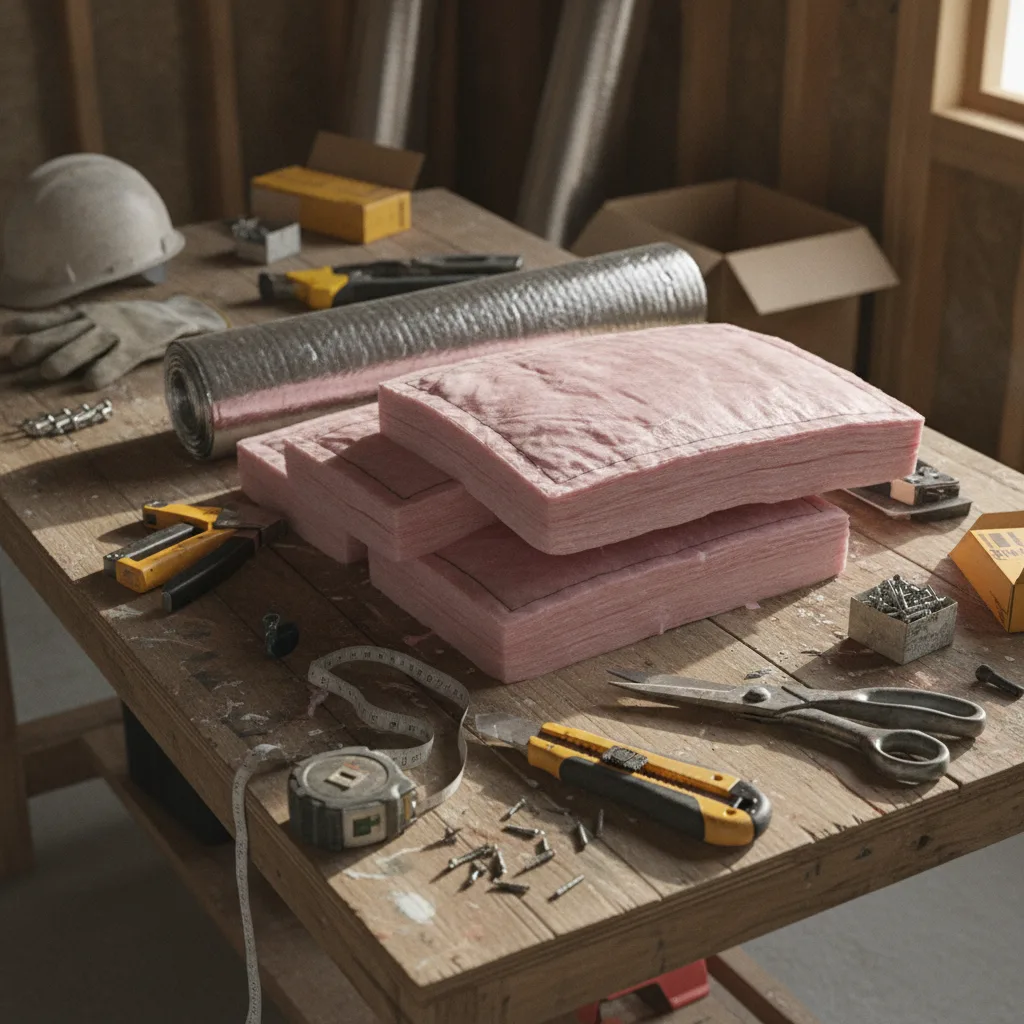
Our team in action — insulation professionals serving El Monte
Closed Cell Spray Foam Methods and Approaches
Roofline / Unvented Attic Application
Applied directly to the underside of roof decking between and over rafters, this approach converts a vented attic into a conditioned unvented attic space. This is particularly effective in El Monte’s older ranch-style and bungalow homes where duct systems run through attic cavities. By bringing the attic into the conditioned envelope, duct losses are dramatically reduced. A minimum of 3.5 inches of closed cell foam is typically specified to achieve R-21 or better at the roofline.
Wall Cavity and Rim Joist Application
For El Monte homes with open or accessible wall cavities during renovation, closed cell foam can be sprayed into stud bays to achieve R-13 to R-21 in a 2×4 or 2×6 cavity. Rim joists — a notorious air leakage point in pier-and-beam and raised foundation homes common throughout El Monte — receive a 2-inch minimum closed cell application to simultaneously insulate and air-seal.
Crawl Space Application
For properties with vented crawl spaces, closed cell foam is applied to the underside of floor joists and subfloor sheathing, or alternatively to the crawl space walls to create an encapsulated, conditioned crawl space. Given El Monte’s clay soil moisture dynamics, the encapsulated wall approach is often preferred. Learn more about our crawl space encapsulation services and crawl space insulation options.
Commercial Roof Deck Application
For El Monte’s industrial and light commercial properties along Peck Road and Valley Boulevard, closed cell foam is sprayed to the underside of metal roof decking to control radiant heat gain and prevent condensation — a critical need in large metal buildings where temperature swings can exceed 50°F between day and night.
Hybrid Insulation Systems
In some applications, a closed cell foam flash coat of 1 to 2 inches is applied for its vapor control and air-sealing properties, followed by open cell foam or blown-in insulation to achieve target R-values economically. This hybrid approach is frequently used in El Monte’s blow-in insulation retrofit projects.
Ready for Closed Cell Spray Foam Insulation? Get Your Free Estimate Today.
Next Level Insulation of El Monte serves El Monte and the surrounding area — we’ll be on-site within 24 hours.
📞 Call (626) 469-7656Closed Cell Spray Foam Insulation Cost in El Monte, CA
Understanding the cost of closed cell spray foam insulation in El Monte requires considering both material and labor factors specific to the Southern California market. Below are typical price ranges based on current regional data.
Typical Price Ranges
- Attic / Roofline Application: $1.75 to $3.50 per board foot (one square foot at one inch thickness), with full attic projects typically ranging from $3,500 to $9,000 depending on attic size and access complexity
- Crawl Space Application: $3,000 to $7,000 for a typical El Monte raised foundation home, depending on crawl space height, moisture remediation needs, and square footage
- Rim Joist Sealing: $500 to $1,500 as a standalone service
- Wall Cavity Application (During Renovation): $2.00 to $4.00 per board foot
- Commercial Roof Deck Projects: Priced per project scope; typically $1.50 to $3.00 per board foot at volume
Cost Factors Specific to El Monte
Several local variables affect final pricing. Older El Monte homes often require existing insulation removal before foam installation, adding $500 to $2,500 to project costs depending on attic size and contamination level. Homes with limited attic access — common in El Monte’s low-pitch ranch homes — require additional labor time. Proximity to the Rio Hondo corridor may require supplemental moisture remediation in crawl spaces prior to foam application, which can add $800 to $2,000.
Return on Investment
Most El Monte homeowners report a 20–40% reduction in annual heating and cooling costs following closed cell spray foam installation, with the investment typically recouping within 5 to 8 years through energy savings alone — not accounting for increased property value or improved comfort.
Contact us at (626) 469-7656 for a free, no-obligation estimate tailored to your specific El Monte property.
El Monte Neighborhoods We Serve
North El Monte
This largely residential pocket northeast of the city center features a high concentration of homes built in the 1950s and 1960s with minimal original wall insulation. Many properties here sit on raised foundations with unencapsulated crawl spaces that accumulate seasonal moisture from the clay-heavy soils. Closed cell foam crawl space encapsulation and rim joist sealing are among our most common services in this area.
South El Monte Adjacent Corridors
The industrial and commercial zones near Valley Boulevard and Tyler Avenue include numerous metal-framed and masonry warehouses built in the 1970s and 1980s. These structures experience severe summer heat gain and wintertime condensation on uninsulated metal surfaces. Closed cell foam roof deck application is the primary solution we deploy in this sector.
Downtown El Monte / Ramona Boulevard Area
The residential blocks surrounding downtown El Monte contain some of the city’s oldest housing stock, with Craftsman and Spanish Revival bungalows from the 1930s and 1940s. These homes present significant air sealing challenges and often contain original horsehair or paper-based insulation requiring full removal and replacement before foam installation.
Garvey Avenue Corridor
A mixed residential and commercial zone featuring mid-century apartment buildings and retail strip centers. Multi-family property owners along this corridor frequently engage us for insulation replacement combined with closed cell foam upgrades to meet current Title 24 standards during renovation projects.
Maintenance Tips for Closed Cell Spray Foam Insulation in El Monte
Closed cell spray foam is one of the most durable insulation materials available, but proper maintenance ensures it performs optimally throughout its lifespan in El Monte’s specific climate conditions.
- Annual Visual Inspection: Each spring, before El Monte’s summer heat season begins, visually inspect accessible foam surfaces in attics and crawl spaces for any cracking, delamination, or physical damage caused by pests or settling.
- UV Protection in Exposed Areas: Closed cell foam degrades when exposed to prolonged ultraviolet light. Any foam visible through skylights or in open garages should be coated with an approved thermal barrier paint or intumescent coating.
- Monitor Crawl Space Humidity: Install a digital hygrometer in your crawl space. In El Monte, target relative humidity below 60%. Readings above 70% after winter rains signal a need for additional moisture control measures.
- Inspect HVAC Penetrations: Where ductwork, pipes, or wiring penetrate foam-insulated cavities, check annually that gaps haven’t opened due to thermal expansion — common given El Monte’s significant seasonal temperature swings.
- Pest Monitoring: While closed cell foam is not a food source for rodents, pests can physically tunnel through foam. Check for entry points along foundation perimeters, especially after the winter rainy season when rodents seek shelter.
- Keep Attic Ventilation Equipment Functional: If your attic was converted to an unvented conditioned space using closed cell foam, ensure HVAC equipment servicing that space is maintained annually for optimal performance.
- Document Foam Thickness: Keep records of installed foam thickness and location. This documentation supports future permit applications, real estate disclosures, and insurance claims if needed.
Why Choose Next Level Insulation of El Monte
At Next Level Insulation of El Monte, we are not a regional chain dispatching crews unfamiliar with your community. We are a locally focused insulation contractor with hands-on experience in El Monte’s specific housing stock, climate zone, and municipal building requirements. Our team has worked in the Ramona Boulevard neighborhoods, the crawl spaces of North El Monte’s post-war homes, and the warehouse rooflines along Peck Road. That local experience translates directly into better project outcomes for our customers.
We offer comprehensive insulation services under one roof — from professional insulation installation to full removal and replacement — meaning you never need to coordinate multiple contractors for a complex project. Our applicators are trained in current closed cell spray foam best practices and stay current with California Title 24 code requirements that directly affect El Monte property owners.
We believe in transparent, honest pricing. Our estimates are detailed, our measurements are verified, and we stand behind the quality of our work. When you call Next Level Insulation of El Monte, you get a team that treats your property with the same care and precision we would want for our own homes.
Call us today at (626) 469-7656 to schedule your free assessment.
Frequently Asked Questions About Closed Cell Spray Foam Insulation in El Monte
How much does closed cell spray foam insulation cost in El Monte, CA?
In El Monte, closed cell spray foam typically costs between $1.75 and $4.00 per board foot depending on application type, thickness required, and project accessibility. Full attic projects range from $3,500 to $9,000, while crawl space applications generally run $3,000 to $7,000. Factors like existing insulation removal, moisture remediation, and limited access can affect final pricing. We provide free, itemized estimates so you know exactly what to expect before any work begins.
How long does closed cell spray foam installation take in El Monte?
Most residential projects in El Monte are completed within one to two days. A standard attic application takes four to eight hours of active spray time, plus preparation and curing. Larger projects combining attic, crawl space, and wall applications may extend to two full days. We coordinate our schedule to minimize disruption to your household routines.
Is closed cell spray foam better than open cell foam for El Monte’s climate?
In most El Monte applications, yes. El Monte’s Climate Zone 10 designation, high summer temperatures, and periodic moisture exposure from clay soils and winter rains make closed cell foam’s superior vapor control and higher R-value per inch significant advantages. Open cell foam is more appropriate for interior applications where moisture control is less critical and budget is a primary concern. Our team will recommend the right product for each specific application in your property.
Will closed cell spray foam help with my high summer electric bills in El Monte?
Absolutely. El Monte’s summer heat is one of the primary drivers of high cooling costs, and inadequate attic insulation is typically the single largest contributor to heat gain. By converting your attic to a conditioned space with closed cell foam at the roofline, or by significantly upgrading attic floor insulation R-values, most El Monte homeowners see 20–40% reductions in summer cooling costs. Results vary based on HVAC efficiency, duct condition, and window performance.
Do I need a permit for spray foam insulation in El Monte?
Permit requirements in El Monte depend on the scope of work. Converting a vented attic to an unvented conditioned attic using spray foam typically requires a building permit from the City of El Monte Building and Safety Division. Simple insulation additions or replacements in existing cavities may not require a permit. Our team handles permit coordination as part of our full-service offering and ensures all work meets current Title 24 and local code requirements.
Can closed cell spray foam be applied in my crawl space even if it gets wet after rain?
Yes, but the crawl space must be dry and free of standing water at the time of application. For El Monte properties near the Rio Hondo floodplain or with persistently high crawl space humidity, we may recommend preliminary moisture remediation — including vapor barrier installation on the ground surface — before foam application. Closed cell foam, once cured, is highly moisture-resistant and will actively prevent future water vapor intrusion into the space.
How long does closed cell spray foam last?
Properly installed closed cell spray foam has an expected service life of 80 years or more. It does not settle, compress, or degrade under normal conditions the way fiberglass batts or cellulose can over time. In El Monte’s climate, where temperature cycling and occasional pest activity are considerations, annual visual inspections are recommended to catch any physical damage early. The foam itself will not off-gas harmful chemicals after the initial 24-hour cure period.
Does Next Level Insulation of El Monte offer other insulation services beyond spray foam?
Yes. We offer a complete range of insulation services including attic insulation, blow-in insulation, crawl space insulation, crawl space encapsulation, insulation removal, and insulation replacement throughout El Monte. We tailor our recommendations to your building type, budget, and performance goals.
Get Your Free Closed Cell Spray Foam Estimate in El Monte Today
If you are ready to take control of your energy bills, improve indoor comfort, and protect your El Monte property from moisture and heat damage, Next Level Insulation of El Monte is ready to help. Our team brings local knowledge, professional-grade materials, and honest, transparent service to every project we undertake in El Monte and the surrounding San Gabriel Valley communities.
Do not let another brutal El Monte summer pass with inadequate insulation draining your wallet and your comfort. Whether you are dealing with a 1950s ranch home in North El Monte or a commercial warehouse along Valley Boulevard, we have the right closed cell spray foam solution for your property.
Call us now at (626) 469-7656 to schedule your free, no-obligation assessment. Our team is standing by to answer your questions and get your project on the calendar.