

Blown-In Insulation Cost in Chula Vista, CA
Transparent Blown-In Insulation Cost Pricing for Chula Vista, CA Homeowners — Free Estimates
Learn the true blown-in insulation cost in Chula Vista, CA. Get local pricing, R-value guidance, and a free estimate from Next Level Insulation. Call (619) 789-4273.
- Licensed & Insured
- Locally Owned & Operated
- Free Inspection & Estimate
Request Your
Free EstimateUnderstanding the true cost of blown-in insulation in Chula Vista, CA is the first step toward a more energy-efficient, comfortable home. Blown-in insulation — also known as loose-fill insulation — is a method of filling wall cavities, attics, and crawl spaces with loose material that conforms to every gap and irregular surface, delivering superior thermal performance without the need for major demolition.
Chula Vista’s coastal climate, aging housing stock, and growing population of newer master-planned communities each create distinct insulation demands. From the salt-air exposure near the bay in Bayfront to the warmer inland temperatures around Eastlake Greens, local conditions directly influence both material selection and installation cost.
At Next Level Insulation of Chula Vista, our team brings hands-on experience with the specific building types, permitting requirements, and climate conditions found throughout Chula Vista and the broader South Bay region. Whether you own a 1960s tract home or a modern build in Otay Ranch, we deliver accurate, transparent blown-in insulation pricing with no hidden surprises. Call us today at (619) 789-4273 for a free estimate.
Understanding Blown-In Insulation in Chula Vista
Blown-in insulation is one of the most versatile and cost-effective insulation solutions available to homeowners and commercial property owners. The process involves using a specialized blowing machine to propel loose insulation material — typically fiberglass, cellulose, or mineral wool — into a designated area. Because the material is loose and free-flowing, it fills irregular cavities, settles around joists and wiring, and covers gaps that traditional batt insulation often misses.
The technique dates back to the mid-20th century, when the construction industry began looking for faster, more scalable ways to insulate post-war housing developments. In Southern California, the explosion of suburban housing in cities like Chula Vista during the 1950s, 1960s, and 1970s meant that vast numbers of homes were built quickly and with minimal insulation — standards that would be considered far below code by today’s California Energy Commission (CEC) requirements.
Today, blown-in insulation is frequently used in three primary applications: attic floors, where loose-fill can be blown directly over existing insulation or bare joists; enclosed wall cavities, where a small hole is drilled and filled using dense-pack techniques; and open wall cavities during new construction or major renovation. In Chula Vista specifically, attic applications are the most common service request, as the city’s warm Mediterranean climate means that radiant heat through the roof is a primary driver of summer cooling costs.
California Title 24 energy standards — which apply to all new construction and many renovation projects in Chula Vista — specify minimum R-values depending on climate zone. Chula Vista falls primarily within Climate Zone 7, which requires a minimum of R-38 in attics for new construction. Blown-in insulation is often the most practical way to achieve these values in existing homes without full gut renovations, making it an especially relevant solution for Chula Vista’s large inventory of mid-century and late-20th-century homes.
Understanding these factors helps homeowners make informed decisions about which type of blown-in material, which R-value target, and which areas of the home to prioritize — all of which directly affect the final cost of the project. Learn more about our attic insulation services.
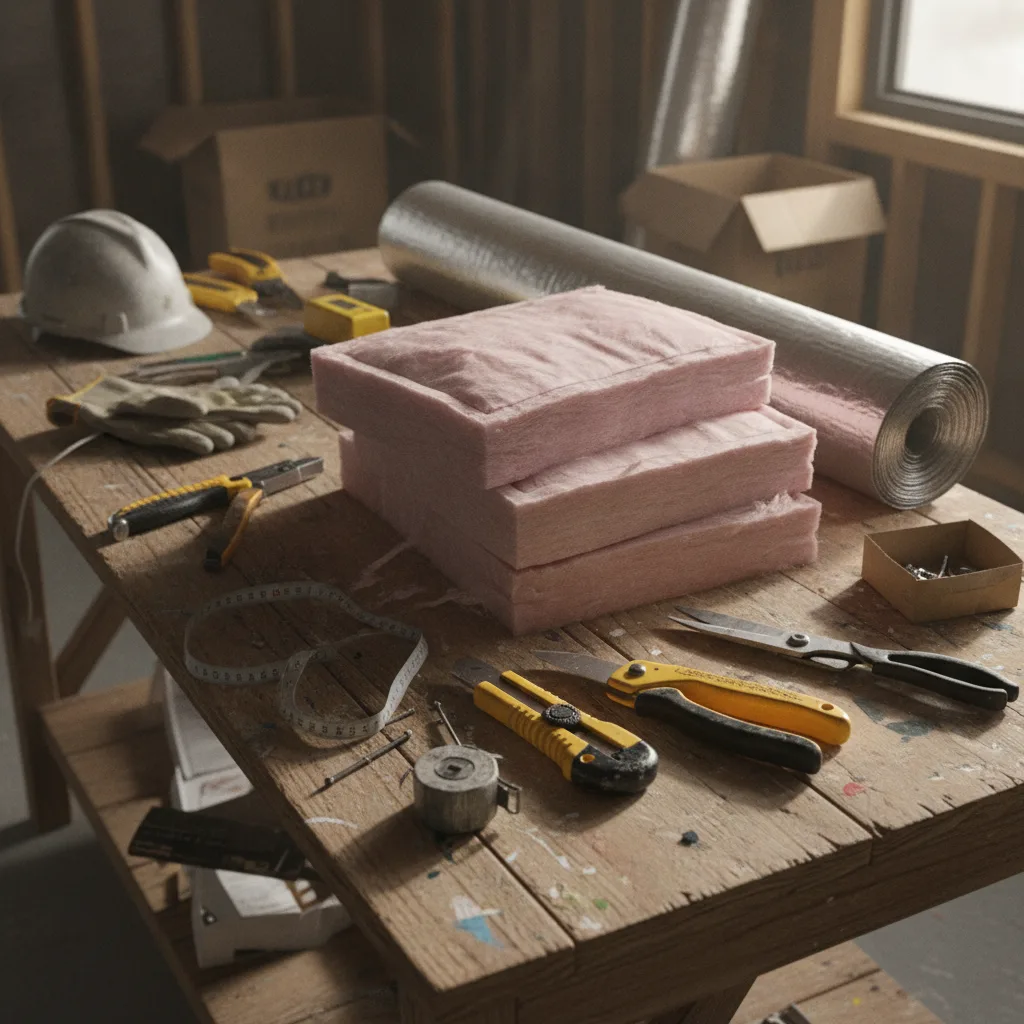
Our team in action — insulation professionals serving Chula Vista
Why Blown-In Insulation Is Needed in Chula Vista, CA
Climate Zone 7 Heat Gain
Chula Vista sits within California Climate Zone 7, characterized by mild, dry summers near the coast and significantly hotter conditions in inland areas like Eastlake Greens, Otay Ranch, and Rolling Hills Ranch. Summer temperatures in these inland neighborhoods regularly reach 90°F to 100°F, while bay-adjacent areas like the Chula Vista Bayfront district see temperatures that are 10–15°F cooler due to marine layer influence. This thermal gradient means insulation needs vary significantly even within the same city. Homes in the hotter inland zones can experience attic temperatures exceeding 150°F in July and August, putting enormous pressure on HVAC systems and dramatically raising utility bills when insulation is inadequate or missing altogether.
Aging Housing Stock and Outdated Insulation
A substantial portion of Chula Vista’s residential inventory was built between 1950 and 1985, during a period when insulation standards were minimal. Homes built in the Halecrest and Castle Park neighborhoods, for instance, frequently have attics with R-values of R-11 or lower — far below the current California Title 24 minimum of R-38. Fiberglass batts installed decades ago deteriorate, compress, and lose effectiveness over time. Settling in blown-in insulation can also occur in older installations, reducing R-value by as much as 20–30% over 15 to 20 years.
Marine Air and Moisture Infiltration
Properties within 1–2 miles of the Chula Vista Harbor and the San Diego Bay face a secondary challenge: salt-laden marine air. This coastal moisture can accelerate the degradation of certain insulation materials, particularly older fiberglass batts, and can contribute to mold growth in poorly ventilated attics and crawl spaces. Neighborhoods like Otay and areas near Palomar Street have historically reported moisture-related issues that compound insulation performance problems.
New Construction and Master-Planned Communities
Newer master-planned communities such as Eastlake Greens, Otay Ranch Village, and Millennia have been developed to higher energy standards, but even here, builders sometimes install minimum-code insulation to control construction costs. Homeowners in these areas who upgrade to higher R-values — from R-38 to R-49 or R-60 in attics — see measurable reductions in cooling costs, often 15–25% annually according to ENERGY STAR estimates.
SDG&E Energy Cost Pressure
San Diego Gas & Electric (SDG&E) consistently ranks among the highest-cost utilities in the nation, with residential electricity rates frequently exceeding $0.40–$0.55 per kWh in peak tiers. For Chula Vista homeowners, this makes the ROI on blown-in insulation improvements particularly compelling. Reducing heat gain through a properly insulated attic can cut air conditioning runtime significantly, translating to hundreds of dollars in annual savings that help offset insulation installation costs within just a few years.
Signs You Need Blown-In Insulation in Chula Vista
Energy and Comfort Indicators
- Unusually high SDG&E electric bills during June through September, particularly if cooling costs have increased year over year
- Rooms that feel significantly hotter or cooler than the rest of the house, indicating uneven insulation coverage
- HVAC system running almost continuously during summer afternoons without adequately cooling the home
- Noticeable drafts near exterior walls, especially in older Chula Vista homes built before 1980
Visual and Physical Symptoms
- Attic insulation that appears thin, flattened, or visibly compressed when you look from the attic hatch
- Bare joist tops visible in the attic — a clear sign that blown-in insulation has settled below effective depth
- Moisture stains, mold, or musty odors in attic or crawl space areas, particularly in coastal-zone homes near the bay
- Ice dams or condensation on interior walls during rare cold snaps (unusual but documented in Chula Vista during La Niña winters)
Urgency Indicators
- Your home was built before 1985 and has never had insulation professionally inspected or upgraded
- You are preparing to install or replace HVAC equipment — insulation upgrades should precede HVAC sizing for best results
- You are applying for SDG&E rebates or California TECH Clean rebates, which may require insulation upgrades as part of a broader home performance package
Blown-In Insulation Methods We Use in Chula Vista
Cellulose Blown-In Insulation
Made from recycled paper products treated with borate fire retardants, cellulose is one of the most popular blown-in materials in Southern California. It offers an R-value of approximately R-3.2 to R-3.8 per inch and is particularly effective at filling irregular cavities in older Chula Vista homes. Cellulose also has excellent moisture-buffering properties, making it a good choice for attics in the more humid coastal zones near the Chula Vista Harbor. It is also an environmentally friendly choice, with up to 85% recycled content.
Fiberglass Blown-In Insulation
Blown-in fiberglass provides an R-value of approximately R-2.2 to R-2.7 per inch and is resistant to moisture absorption — an advantage for crawl spaces and areas prone to condensation. In Chula Vista’s inland neighborhoods like Otay Ranch and Rolling Hills Ranch, where temperature swings are more pronounced, blown-in fiberglass performs reliably without the risk of compaction-related R-value loss over time.
Mineral Wool (Rock Wool) Blown-In Insulation
Mineral wool offers superior fire resistance and sound attenuation alongside an R-value of approximately R-3.0 to R-3.3 per inch. It is an excellent choice for multi-family buildings and mixed-use developments in Chula Vista’s Urban Core Specific Plan area, where fire ratings and soundproofing are building-code priorities.
Dense-Pack Wall Cavity Installation
For enclosed walls in existing Chula Vista homes — particularly the stucco-clad wood-frame homes common in neighborhoods like Harborside and Southwest Chula Vista — dense-pack cellulose or fiberglass can be blown into wall cavities through small-diameter holes, dramatically improving wall R-values without requiring full interior or exterior wall demolition.
Ready for Blown-In Insulation Cost? Get Your Free Estimate Today.
Next Level Insulation of Chula Vista serves Chula Vista and the surrounding area — we’ll be on-site within 24 hours.
📞 Call (619) 789-4273Blown-In Insulation Cost in Chula Vista, CA
Understanding the true cost of blown-in insulation in Chula Vista requires looking at several variables that influence pricing in this specific market.
Typical Price Ranges
- Attic Blown-In Insulation: $1.50 to $3.50 per square foot, depending on existing insulation levels, target R-value, and attic accessibility. A 1,200 sq ft attic upgrade to R-49 typically costs $1,800 to $4,200.
- Wall Cavity Dense-Pack: $2.00 to $5.00 per square foot of wall area, with the variation driven by material choice and the number of access points required.
- Crawl Space Blown-In Insulation: $1,500 to $3,500 for a typical Chula Vista single-family home crawl space, depending on size and existing conditions. See our crawl space insulation services for more detail.
Factors That Affect Cost in Chula Vista
- Material choice: Cellulose is generally the most affordable; mineral wool the most expensive.
- Attic accessibility: Low-pitch roofs common in 1960s–1970s Chula Vista tract homes can slow installation and increase labor costs.
- Existing insulation removal: If contaminated, rodent-damaged, or water-damaged insulation must be removed first, costs increase by $1.00–$2.00 per square foot. Learn about our insulation removal services.
- Air sealing scope: Homes with significant bypass leakage require more air sealing labor before blown-in installation.
- SDG&E rebates: Qualifying projects may be eligible for rebates of $0.10–$0.25 per square foot, reducing net cost to the homeowner.
Contact us at (619) 789-4273 for a free, itemized quote specific to your Chula Vista home.
Chula Vista Neighborhoods We Serve
Eastlake Greens
Developed primarily in the late 1980s through the 2000s, Eastlake Greens features two-story stucco homes with accessible attics but often minimum-code insulation levels. The neighborhood’s inland location means summer attic temperatures are among the highest in Chula Vista, making blown-in upgrades from R-19 to R-49 a common and high-ROI project here.
Otay Ranch
One of Chula Vista’s newest master-planned communities, Otay Ranch homes are generally well-built but often insulated to minimum Title 24 levels. Homeowners here frequently add blown-in insulation on top of existing batts to reach R-49 or R-60 targets. The community’s elevation also creates temperature variance that increases the energy return on insulation investment.
Southwest Chula Vista and Castle Park
These older neighborhoods, developed largely between the 1950s and 1970s, represent Chula Vista’s greatest need for blown-in insulation retrofits. Many homes have R-11 or less in attics and little to no wall insulation. Dense-pack wall cavity and attic blown-in insulation are both common upgrades in this area.
Bonita
Though technically an unincorporated community adjacent to Chula Vista, Bonita features many large, custom-built homes from the 1970s and 1980s with complex roof lines and multiple attic zones. These properties often require more detailed assessments and phased blown-in insulation projects. View all service areas we cover.
Blown-In Insulation Maintenance Tips for Chula Vista Homeowners
- Inspect your attic annually: Check depth markers (if installed) or use a ruler to verify insulation depth hasn’t settled significantly. Settling of more than 1–2 inches may indicate a need for a top-off installation.
- Check for moisture after rainy seasons: After Chula Vista’s winter rains — typically November through March — inspect your attic for signs of moisture intrusion or leaks that can damage blown-in material.
- Maintain attic ventilation: Ensure soffit vents and ridge vents are clear of debris. Poor ventilation in Chula Vista’s Climate Zone 7 leads to heat buildup that accelerates insulation degradation.
- Seal attic hatch covers: An uninsulated or poorly sealed attic hatch can negate much of the benefit of blown-in insulation. Use a pre-fabricated attic stair cover rated for at least R-10.
- Avoid storing heavy items directly on blown-in insulation: Compressing loose-fill insulation with storage items dramatically reduces R-value. Use attic flooring panels if storage is necessary.
- Monitor for pest activity: Rodents are active in many Chula Vista neighborhoods, particularly near open space preserves in Otay Ranch and Bonita. Rodent tunneling through blown-in material creates cold spots and may require partial reinstallation.
- Schedule a professional inspection every 5–7 years: Blown-in insulation should be professionally assessed to verify ongoing performance, especially after significant home improvements or HVAC system changes.
Why Choose Next Level Insulation of Chula Vista
Next Level Insulation of Chula Vista is a locally operated insulation company with deep knowledge of the South Bay’s unique climate conditions, housing stock, and energy efficiency landscape. Our technicians are familiar with the specific challenges of insulating Chula Vista homes — from the low-pitch roofs of Castle Park to the complex multi-zone attics of Bonita’s custom estates.
We specialize in the full range of insulation services, including spray foam insulation, attic insulation, blown-in insulation, crawl space encapsulation, insulation removal, and insulation replacement — giving you a single, reliable contractor for all your insulation needs.
We provide free, detailed estimates with transparent line-item pricing so you understand exactly what you are paying for and why. We work with SDG&E rebate programs and can assist you in documenting your project for California Title 24 compliance. Our team treats every Chula Vista home as if it were our own, delivering professional results with clean workspaces and clear communication at every step.
Call us at (619) 789-4273 to schedule your free assessment today.
Frequently Asked Questions About Blown-In Insulation Cost in Chula Vista
How much does blown-in insulation cost for a typical Chula Vista home?
For a typical single-family home in Chula Vista with a 1,200–1,500 square foot attic, blown-in insulation installation ranges from approximately $1,800 to $5,000, depending on existing insulation levels, target R-value, material choice, and the amount of air sealing required. Homes in older neighborhoods like Castle Park or Southwest Chula Vista may be at the higher end due to more significant baseline deficiencies.
What R-value do I need in Chula Vista?
California Title 24 requires a minimum of R-38 in attics for Climate Zone 7, which includes Chula Vista. However, most energy professionals recommend upgrading to R-49 or R-60 for maximum comfort and energy savings, particularly in inland neighborhoods like Eastlake Greens and Otay Ranch where summer temperatures are more extreme.
How long does blown-in insulation installation take?
Most residential blown-in insulation projects in Chula Vista are completed in a single day. Attic-only installations typically take 4–6 hours including air sealing. Larger projects involving both attic and wall cavity work may require two days.
Is blown-in insulation better than batt insulation for Chula Vista homes?
In most retrofit situations — especially in Chula Vista’s older housing stock — blown-in insulation outperforms batt insulation because it fills irregular cavities, covers gaps around joists and wiring, and achieves more consistent coverage without requiring major construction work. For new construction, both options may be appropriate depending on the application.
Can I get rebates for blown-in insulation in Chula Vista?
Yes. SDG&E offers energy efficiency rebates for qualifying insulation upgrades as part of their Home Upgrade program. Rebate amounts vary and are subject to program availability, but homeowners can typically recoup $100–$500 or more depending on project scope. We help our customers identify and apply for available rebates.
How do I know if my existing blown-in insulation needs replacement?
Signs that your existing blown-in insulation has degraded include visible settling (insulation depth below the top of attic joists), moisture staining, musty odors, pest damage, or rising energy bills. If your home is more than 15–20 years old and has never had insulation professionally evaluated, we recommend a free inspection. Learn more about our insulation replacement services.
Does blown-in insulation work for wall cavities in older Chula Vista stucco homes?
Yes. Dense-pack blown-in cellulose or fiberglass is one of the most effective ways to retrofit wall insulation in Chula Vista’s stucco-clad wood-frame homes without full wall demolition. Small access holes are drilled from the exterior or interior, filled to proper density, and patched afterward, leaving minimal visual impact.
How does coastal humidity near the Chula Vista Bayfront affect insulation material choice?
For homes within approximately 1–2 miles of the San Diego Bay, we typically recommend either blown-in fiberglass (which does not absorb moisture) or borate-treated cellulose (which has natural mold resistance). In either case, proper attic ventilation and any necessary moisture barrier installation are completed alongside the insulation work to prevent long-term degradation.
Get Your Free Blown-In Insulation Estimate in Chula Vista Today
If you’re ready to improve your home’s comfort, reduce your SDG&E energy bills, and bring your insulation up to California Title 24 standards, Next Level Insulation of Chula Vista is here to help. We serve homeowners and property managers throughout Chula Vista, Bonita, National City, Imperial Beach, Eastlake Greens, Otay Ranch, and the broader South Bay region.
Our team provides free, no-obligation in-home assessments with transparent, itemized written estimates. We’ll assess your current insulation, recommend the right blown-in solution for your specific home and budget, and help you navigate available SDG&E rebate programs.
Call us now at (619) 789-4273 to schedule your free estimate, or reach out online to book your assessment at a time that works for you. Don’t let Chula Vista’s summer heat drain your wallet — take action today and start saving.