
Camarillo's Insulation Contractor for Historic Buildings and Retail Corridors
CSU Channel Islands occupies a genuinely distinctive set of buildings, the former Camarillo State Hospital, constructed in the 1930s and 40s in a Spanish Colonial Revival style that’s architecturally unlike almost anything else in the city. Converting that campus from institutional hospital use into a working university involved serious building-by-building assessment, and insulation in structures built to that era’s standards presents a genuinely different project than anything in Camarillo’s residential neighborhoods. A few miles away, Camarillo Premium Outlets anchors a substantial retail footprint, with large commercial buildings that face their own specific insulation demands tied to retail operations and customer comfort rather than anything a typical home deals with. Next Level Insulation of Camarillo works across both of these situations, alongside the city’s standard residential housing stock. We understand what a 1930s-era institutional building built in the Spanish Colonial Revival style actually needs from insulation work, and we bring that same careful assessment to the large retail spaces anchoring Camarillo’s commercial corridor.

Why Camarillo Needs Specialized Institutional and Retail Insulation Expertise
What a Camarillo property needs from insulation varies enormously depending on whether it’s a standard home, a converted historic institutional building, or a large retail space.
A Genuinely Unique Historic Institutional Campus
The buildings now making up CSU Channel Islands were originally constructed as the Camarillo State Hospital in the 1930s and 40s, built in a Spanish Colonial Revival style with construction standards and architectural details specific to that era and that institutional purpose. These buildings underwent significant reassessment during the campus’s conversion to university use, and insulation work here calls for understanding both the original construction and whatever updates happened during that transition.
A Substantial Retail and Outlet Shopping Corridor
Camarillo Premium Outlets brings a significant concentration of large retail buildings to the city, and these commercial spaces face insulation demands built around customer comfort and energy management across considerable square footage, a genuinely different project than either a standard home or a converted institutional building.
A Valley Climate That Tests Every Building Type
Camarillo’s position between the coast and more inland Ventura County creates real day-to-night temperature swings, and this affects every building type in the city, from historic institutional structures to retail spaces to standard homes, though each responds to that swing differently based on construction and use.
A Mix of Standard Residential Construction
Most of Camarillo’s housing reflects typical Southern California suburban development, and like similar homes throughout the region, a lot of this insulation has settled over the years since original construction.
Property Owners Who Want Specialized Knowledge for Specialized Buildings
Whether someone’s managing space within a converted historic campus, overseeing a retail property near the outlets, or simply living in a standard Camarillo home, the expectation is the same: a contractor who actually understands what that specific kind of building needs.
Common Insulation Problems in Camarillo Properties
What we find shifts considerably depending on whether we’re assessing a historic institutional building, a large retail space, or a standard residential property.
Inconsistent Coverage in Converted Historic Institutional Buildings
Buildings originally constructed for the Camarillo State Hospital in the 1930s and 40s sometimes have insulation coverage that reflects decades of partial updates and renovations rather than one consistent standard, particularly following the significant work involved in converting the campus to university use. Facility managers typically notice certain buildings or sections running noticeably warmer or cooler than others, along with energy costs that feel high relative to the space’s size and use. This is specific to the historic campus buildings rather than the city’s standard residential housing, and addressing it means a careful, building-by-building assessment that respects the original Spanish Colonial Revival construction while identifying genuine coverage gaps.
Large-Scale Coverage Gaps in Retail Corridor Buildings
Large retail spaces throughout the outlet shopping corridor sometimes carry insulation that was adequate at original construction but has become inconsistent over time, particularly in buildings that have had multiple tenant changes and partial renovations across different sections. Property managers typically notice certain zones of a retail space running noticeably different in temperature from others, along with energy costs that seem high relative to the building’s overall size. This is most relevant to the larger commercial properties throughout Camarillo’s retail corridor, and addressing it means mapping coverage across the full space rather than assuming uniform conditions.
Settled Builder-Grade Insulation in Standard Homes
Most of Camarillo’s residential housing was built during the city’s main suburban growth periods, and the insulation installed at that time has had years to compress and settle, even though it’s technically still present. Homeowners typically notice rooms that never quite reach a comfortable temperature regardless of how hard the HVAC system runs, along with attic insulation that looks noticeably thinner in spots than it probably was originally. This affects homes fairly consistently within a given construction era, making it a moderate concern genuinely worth addressing given how directly it affects monthly energy costs.
Valley Temperature Swing Strain Across Every Building Type
Camarillo’s day-to-night temperature swing tests insulation differently than either a consistently hot or consistently mild climate, and buildings across the city, residential and commercial alike, sometimes have coverage that wasn’t specifically matched to this particular pattern. Property owners describe spaces that overheat during the day and then cool dramatically once evening arrives, a pattern pointing to insulation that doesn’t fully address either direction of the swing.
Comprehensive Insulation Solutions for Camarillo Properties
Matching the right service starts with understanding whether we’re working with a historic institutional building, a large retail space, or a standard residential property.
Insulation Installation
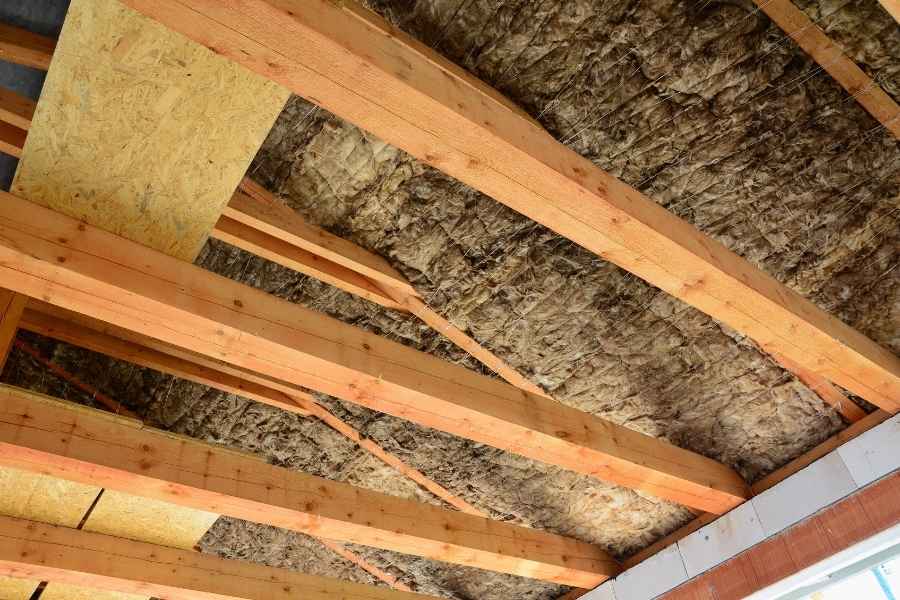
For spaces with nothing adequate in place, a full installation builds proper coverage from scratch, matching material and depth to the specific structure, whether that’s a historic institutional building, a retail space, or a standard home. This is the right starting point whenever an inspection reveals coverage that’s effectively nonexistent.
Spray Foam Insulation
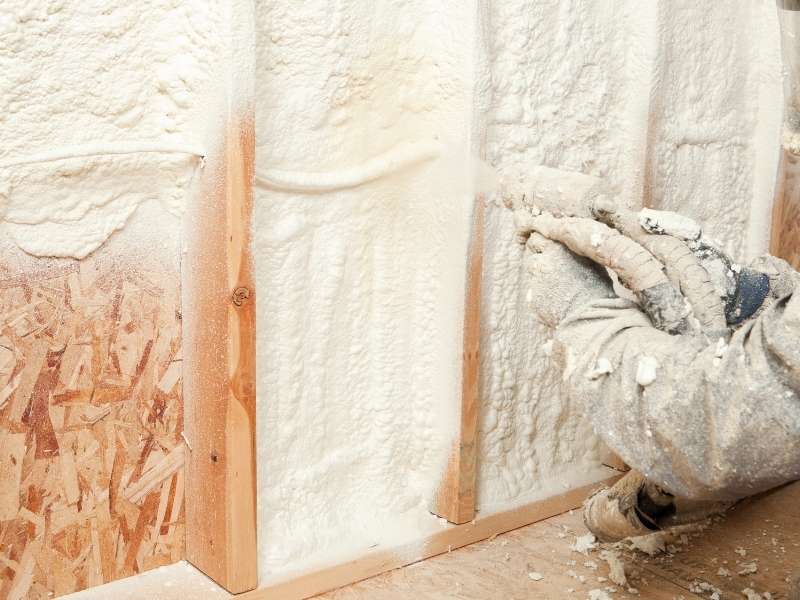
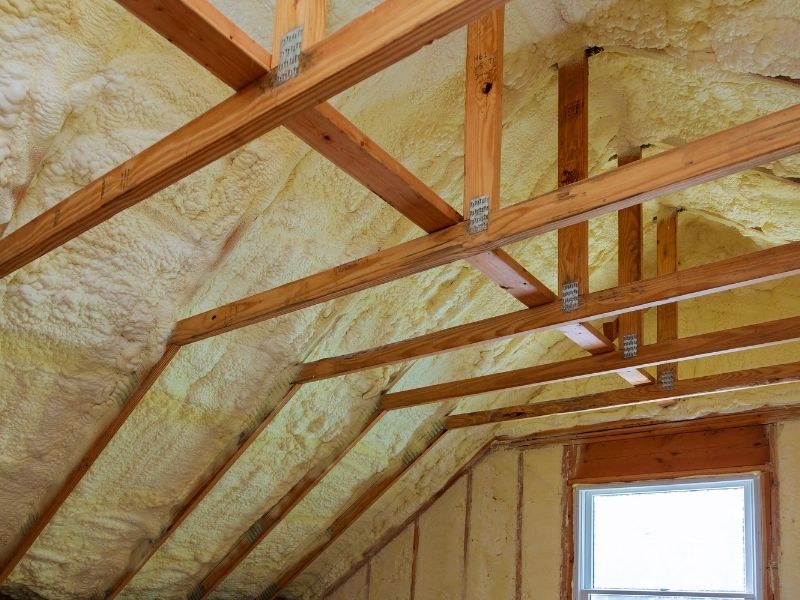
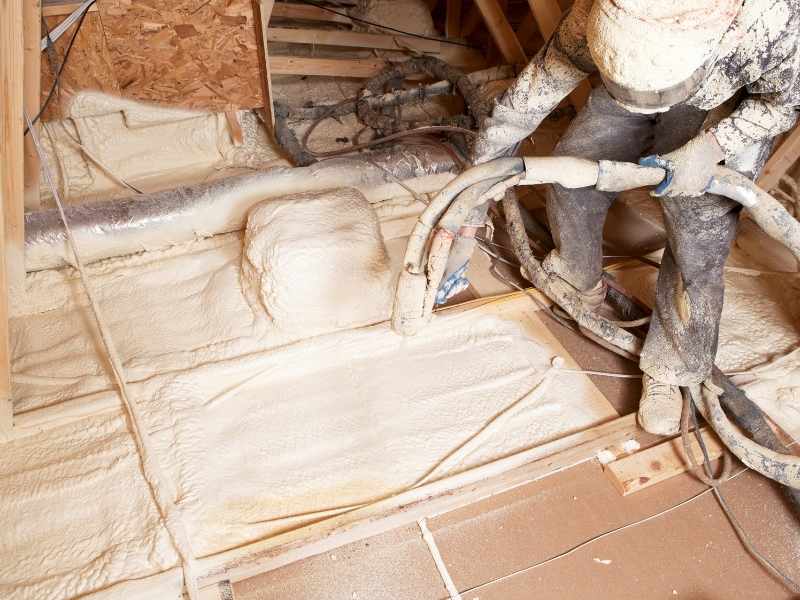
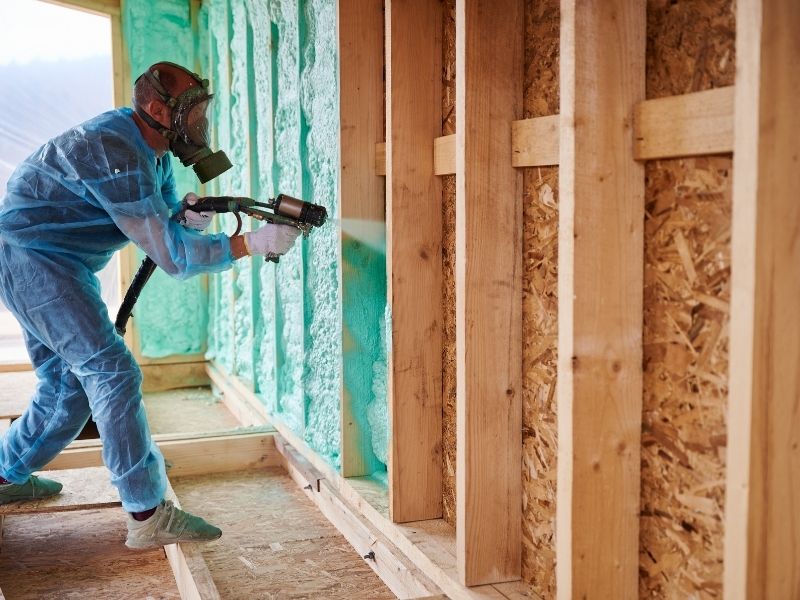
Spray foam creates a continuous air seal in addition to its thermal value, which matters most anywhere drafts and air leakage are doing as much damage as a lack of raw insulating material, including large retail spaces where evening out inconsistent coverage matters considerably. It’s a strong choice for anyone prioritizing long-term performance across any building type.
Attic Insulation
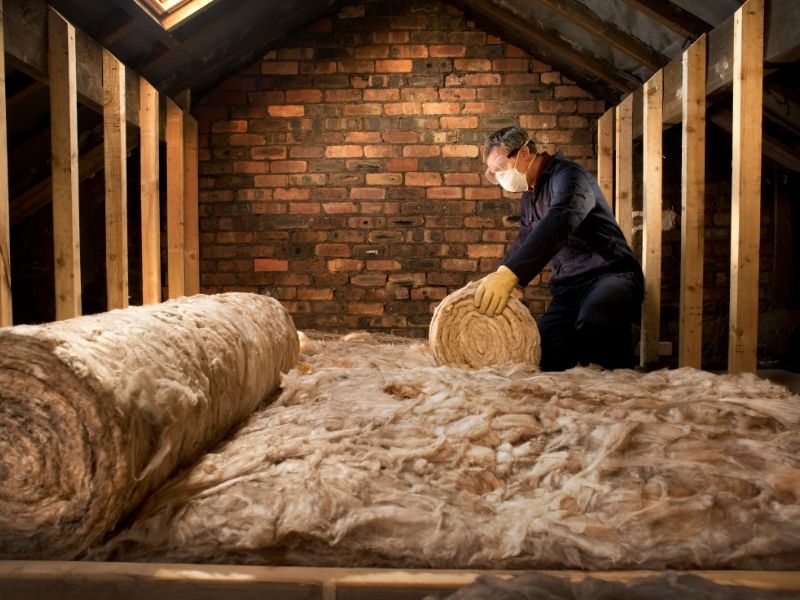
Attics are where the biggest comfort and cost impact usually originates in residential properties, and this service covers everything from clearing out material that’s settled past usefulness to installing fresh coverage at a depth that actually meets current standards. It’s the right call for any home with visibly thin coverage, uncomfortable rooms, or high seasonal energy bills.
Blow-In Insulation
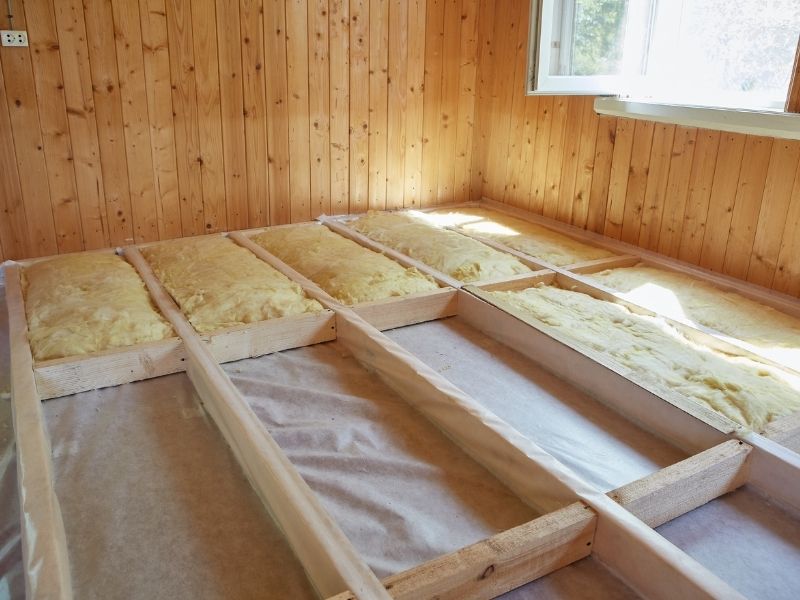
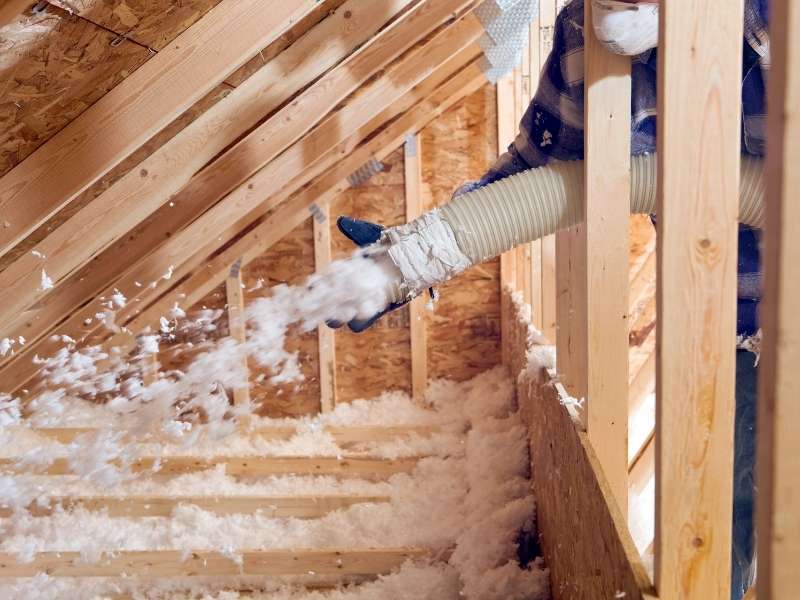
Blown-in material fills odd gaps and uneven joist spacing far more completely than batts placed by hand, making it an efficient way to top up existing coverage without a full tear-out, particularly useful in the irregular framing sometimes found in historic institutional buildings.
Crawl Space Encapsulation
A full encapsulation seals the crawl space with a proper vapor barrier and closes off the gaps and vents that were letting outside air and moisture in, turning an open, exposed space into a controlled one. This is the right fix for any home where crawl space moisture, odor, or energy loss has become a genuine, recurring issue.
Crawl Space Insulation
Adding insulation within the crawl space itself, whether as part of a full encapsulation or on its own, directly addresses the cold floors and temperature swings that an open crawl space creates in the rooms above it. It’s the straightforward answer for homeowners dealing with uneven room temperatures tied back to that specific space.
Insulation Removal
Old, degraded, or inconsistent insulation sometimes needs to come out before anything new can go in, and this service handles that removal safely and thoroughly, with particular care in historically significant buildings where the surrounding structure deserves protection during the process.
Insulation Replacement
Replacement combines removal and fresh installation into one project, which makes sense whenever existing material has degraded far enough that a partial top-up wouldn’t genuinely solve the problem, whether for a historic institutional building, a retail space, or a standard home.
What to Expect: Our Insulation Process
We believe property owners make better decisions when they understand exactly what’s happening with their insulation and why. Here’s how a typical project with Next Level Insulation of Camarillo works from start to finish.
Step 1: Initial Contact and Scheduling
Timeline: Most Camarillo inspections can be scheduled within a few business days.
What Happens: You reach out by phone or through our online scheduler, describe your property type and concerns, and we get a free inspection on the calendar.
Camarillo-Specific Considerations: For historic institutional buildings, we note the property’s original construction era upfront; for retail properties, we coordinate around business hours.
Customer Expectations: You’ll get a confirmed appointment time and a reminder call ahead of the visit.
Step 2: Insulation Inspection and Assessment
Timeline: Typically 45-75 minutes for residential properties, considerably longer for historic institutional buildings or large retail spaces.
What Happens: Our technician inspects the relevant space, documenting existing insulation condition and identifying the construction era and any prior renovation history.
Camarillo-Specific Considerations: For historic buildings, we document original construction details carefully; for retail properties, we map coverage across the full space rather than assuming consistency.
Customer Expectations: You’ll walk through the findings with our technician in plain language, with no pressure to commit to anything on the spot.
Step 3: Written Estimate and Material Recommendation
Timeline: Delivered within 24-48 hours of the inspection.
What Happens: We put together a detailed, itemized estimate recommending the insulation type and approach best suited to your property’s construction, use, and age.
Camarillo-Specific Considerations: For historic institutional properties, we factor in any relevant preservation or structural considerations.
Customer Expectations: You’ll receive a clear written estimate you can review at your own pace, with time to ask questions before deciding.
Step 4: Insulation Installation
Timeline: Most residential attic or crawl space projects take half a day to a full day. Historic institutional and retail projects vary significantly by building size.
What Happens: Our crew removes any degraded material where necessary and installs new insulation to reach the recommended coverage for your specific property.
Camarillo-Specific Considerations: We take extra care in historic buildings to avoid disturbing original construction details, and schedule retail projects around business operating hours.
Customer Expectations: We keep you updated throughout the project and walk the site with you as work progresses.
Step 5: Final Inspection and Warranty Documentation
Timeline: Completed the same day work is finished for most residential projects.
What Happens: We perform a final walk-through to confirm proper installation, clean up the work area, and provide your warranty paperwork.
Camarillo-Specific Considerations: We provide documentation useful for future property records and any applicable energy efficiency reporting.
Customer Expectations: You’ll receive a copy of all inspection data, warranty terms, and a direct line to reach us with any follow-up questions.
Camarillo’s Insulation Specialists
1. Local Expertise: We Know This City’s Historic Buildings and Retail Corridor
We’ve spent years working specifically on insulation projects across Camarillo, which means we understand both the specialized needs of the historic Spanish Colonial Revival buildings at CSU Channel Islands and the large-scale demands of retail properties throughout the outlet shopping corridor. That range shapes every inspection and recommendation we make.
2. Insulation Specialists Across Every Scale
Insulation is the focus of our work, whether the project is a single-family attic, a historic institutional building, or a large retail space. Our crews, equipment, and training cover this full range.
3. Licensed, Bonded, and Insured
Every project we take on is backed by proper licensing, bonding, and insurance coverage, giving Camarillo property owners the protection and accountability they should expect from any insulation contractor.
4. Historic Institutional and Large Retail Experience
We understand how to work carefully within historically significant institutional construction, and we bring genuine experience mapping and correcting inconsistent coverage across large retail floor plates.
5. Transparent Pricing and Honest Assessments
We’ll tell you plainly what your property actually needs, rather than upselling unnecessary material or work. Every estimate is itemized and explained in plain language before you make a decision.
6. Warranty-Backed Workmanship
Installations completed by our team are backed by manufacturer and workmanship warranty coverage, protecting your investment well after the crew leaves.
7. Coverage Across Camarillo and Ventura County
We serve Camarillo and the surrounding Ventura County communities, so property owners across the area get the same locally informed approach.
Serving Camarillo and Surrounding Communities
Next Level Insulation of Camarillo provides insulation services throughout Camarillo and the surrounding Ventura County area.
Historic Institutional Campus: The Spanish Colonial Revival buildings at CSU Channel Islands, originally constructed as the Camarillo State Hospital in the 1930s and 40s
Retail and Outlet Shopping Corridor: Large commercial properties throughout the area surrounding Camarillo Premium Outlets
Standard Residential Camarillo: Established neighborhoods throughout the city’s main residential development
Surrounding Ventura County: Oxnard Thousand Oaks Newbury Park and nearby communities within our service radius
We serve homeowners and commercial property owners throughout Camarillo and the surrounding area. If you’re unsure whether your address falls within our service area, give us a call and we’ll be glad to confirm.
Our Gallery

Frequently Asked Questions
Do you work with buildings at CSU Channel Islands, not just homes?
Yes, we regularly assess and insulate the historic Spanish Colonial Revival buildings that make up the campus, originally constructed as the Camarillo State Hospital, handling this work with the care these historically significant structures deserve.
Do you handle insulation for retail buildings near the outlets?
Yes, we work with large retail properties throughout Camarillo’s outlet shopping corridor, mapping coverage across full floor plates to identify and correct zones with inconsistent insulation.
Why does one part of our retail space feel so much warmer than another?
This is common in retail buildings that have gone through multiple tenant changes or partial renovations over time, since different sections often received different insulation attention depending on when that particular area was last updated. A full assessment usually reveals the specific zones responsible.
Does my standard Camarillo home likely need an insulation upgrade?
Many homes throughout the city’s main residential growth periods carry insulation that’s settled considerably over the years since original construction. A free inspection can confirm your specific home’s condition.
Do I need a permit for insulation work in Camarillo?
In most cases, no for standard residential insulation. Larger institutional or commercial facility projects may have different requirements, which we’ll confirm as part of your assessment.
Next Level Insulation of Camarillo is a locally owned insulation contractor serving Camarillo, CA and the surrounding Ventura County area. With genuine expertise across the historic Spanish Colonial Revival buildings at CSU Channel Islands, the large retail properties throughout the outlet shopping corridor, and the city’s standard residential housing stock, we specialize in insulation installation, spray foam insulation, attic insulation, blow-in insulation, crawl space encapsulation, crawl space insulation, insulation removal, and insulation replacement. Licensed, bonded, and insured, our team provides free inspections, transparent pricing, and warranty-backed workmanship to property owners throughout Camarillo.
- (805) 209-2077
- Camarillo, CA
- Mon-Sun : 7 AM- 7 PM
- Attic Insulation
- Spray Foam Insulation
- Blown-In Insulation
- Garage Insulation
- Crawl Space Insulation & Encapsulation
- Wall & Ceiling Insulation