

Reliable Insulation Contractor in Oxnard, CA
Searching for a top-rated insulation contractor in Oxnard, CA? Next Level Insulation of Oxnard delivers complete insulation solutions that enhance home comfort, cut energy costs, and reduce noise. From attic and wall upgrades to crawl-space and acoustic installations, our experienced team serves Oxnard and nearby Ventura County communities with skill and care.
- Trusted by Oxnard Families & Businesses
- High-Quality Spray Foam, Batt, and Blown-In Insulation
- Fast, Friendly, and Professional Service
Why Oxnard Needs Insulation Built Around Its Working Economy
What an Oxnard property needs from its insulation depends on whether it’s in the business of moving cold produce or keeping a family comfortable on a tight budget.
A Cold Chain That Starts in the Fields
Oxnard’s farmland produces some of the state’s best-known fresh crops, and getting those crops from field to market means rapid cooling and reliable refrigeration. Refrigerated rooms and cold storage depend on continuous, tightly detailed insulation, and small failures cost real money every day the compressors have to work harder.
Big Packing Sheds and Metal Buildings
Packing and distribution buildings are typically large metal structures with big roof areas, loading doors that open constantly, and workers moving around inside. Without good insulation they get hot in the afternoon sun and drip with condensation when the roof cools, neither of which belongs near fresh food.
Manufactured and Mobile Homes Built Light
A number of Oxnard households live in manufactured and mobile homes, which are built lightweight and generally carry thinner insulation in the roof, walls, and floor than a conventional house. These homes heat up quickly on warm days and lose warmth quickly at night, and the people living in them often feel the energy bill most directly.
Waterfront Pockets With Their Own Moisture
Some Oxnard neighborhoods sit close to the water, including beach communities and canal-front areas where sustained marine humidity affects attics and crawl spaces. It’s a smaller part of the picture here than the working economy, but it matters for the homes in those areas.
Owners and Operators Watching Every Dollar
Whether it’s a cold storage manager looking at a refrigeration bill or a family comparing quotes on a fixed income, Oxnard customers want straightforward pricing and a clear explanation of what each dollar buys.
Common Insulation Problems in Oxnard Properties
What we find depends on whether we’re looking at a refrigerated room, a packing shed, or someone’s home.
Lost Cold in Refrigerated Rooms and Cold Storage
Walls, ceilings, and door perimeters in refrigerated buildings can lose their insulating performance over time through damaged panels, gaps at seams, wet or compressed material, and worn door seals. Operators typically notice higher refrigeration energy bills, compressors that run longer than they should, frost or ice forming in unexpected places, and temperature inconsistency between zones. This is a serious concern for any facility keeping produce at precise temperatures, because the cost is continuous and spoilage risk rises when cold can’t be held reliably. A facility assessment that locates the weak points, followed by repair or replacement with insulation and vapor barriers appropriate for cold, moist conditions, restores performance.
Heat and Condensation in Packing Sheds and Large Metal Buildings
Uninsulated or thinly insulated metal roofs make packing and distribution buildings uncomfortable and humid, with afternoon heat spikes and condensation dripping from the roof deck once the surface cools. Managers typically notice dripping near work areas, uncomfortable conditions for crews during peak season, and higher cooling costs for any conditioned zones. This is common across large agricultural and warehouse buildings throughout the area, and it’s a moderate-to-serious problem because moisture near food handling is exactly what operators want to avoid. Spray foam on the underside of the roof deck, or a properly vapor-faced insulation system, controls both temperature and condensation.
Thin Insulation in Manufactured and Mobile Homes
The roof, walls, and floor cavities of manufactured homes are built light, and the insulation they ship with is often thin, compressed, or damaged over the decades, particularly in the underfloor space where rodents and weather can disturb it. Owners typically notice a home that swings quickly with outdoor temperature, floors that feel cold, ceilings that radiate heat in the afternoon, and electric bills that seem high for such a small home. This is common among older manufactured homes, and it’s a serious comfort and cost issue because the home has little thermal mass to buffer temperature swings. Where the construction allows, blown-in material in the roof cavity and properly installed underfloor insulation with a protective cover make a significant difference.
Moisture and Cold Floors in Older Small Homes and Waterfront Properties
Small older homes on raised foundations, along with homes close to the water, sometimes have crawl spaces that were never sealed or insulated, so cold, damp air rises directly into the living space. Homeowners notice cold floors, a musty smell near the access door, and rooms over the crawl space that never match the rest of the house. It’s a steady, moderate issue that adds to energy costs and can create moisture problems if left alone. Sealing and insulating the crawl space, with moisture-resistant material for properties near the water, fixes it.
Comprehensive Insulation Solutions for Oxnard Properties
Choosing the right service starts with the building and what it’s asked to do, since a refrigerated room and a mobile home have almost nothing in common.
Insulation Installation
Installation builds proper coverage where there’s nothing adequate in place, with material and thickness matched to the specific building, whether that’s a refrigerated wall, a metal roof deck, a residential attic, a manufactured home’s roof or floor cavity, or a crawl space. It’s the right starting point whenever an inspection shows an area that was never insulated or was insulated so thinly it barely counts.
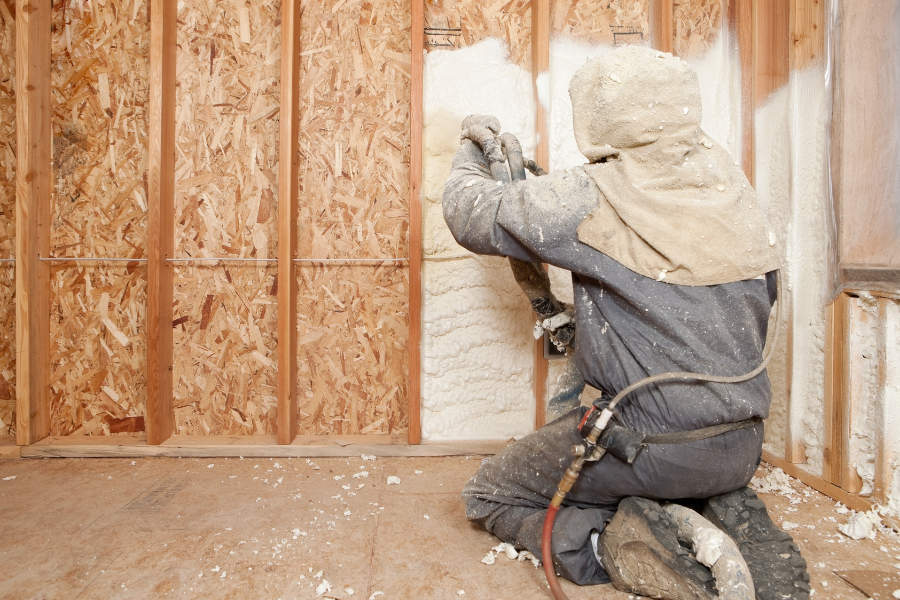
Spray Foam Insulation
Spray foam seals air leaks continuously while adding strong thermal resistance, and applied to metal roof decks and refrigerated walls it also controls condensation and vapor movement. It’s a strong choice for anyone who values long-term performance and tight sealing over the lowest upfront material cost, and it’s often the most practical option in irregular or hard-to-reach spaces.
Attic Insulation
Attic insulation covers the whole process, from clearing out material that’s compressed, wet, or damaged to installing fresh coverage at the depth current standards call for. It’s the right call for any home with uncomfortable rooms, high seasonal energy bills, or attic insulation that looks thin or disturbed.
Blow-In Insulation
Blown-in material is installed by machine and fills tight cavities, corners, and uneven framing far more completely than hand-placed batts, which makes it especially useful in the roof cavities of manufactured homes and in older attics with irregular framing. It suits anyone wanting a real improvement without the scope of a full removal and replacement.
Crawl Space Encapsulation
Encapsulation seals the crawl space with a heavy vapor barrier and closes the vents and gaps that let outside air, moisture, and animals in, turning an open area into a controlled one. It’s the right fix for any building dealing with crawl space moisture, odor, pests, or energy loss that keeps coming back.
Crawl Space Insulation
Insulating the crawl space directly, whether as part of a full encapsulation or as a standalone upgrade, addresses the cold floors and uneven room temperatures an open crawl space creates in the rooms above it. It’s the straightforward answer when those symptoms trace clearly to that space.
Insulation Removal
Insulation that’s wet, damaged, contaminated, or degraded sometimes has to come out before anything new can go in, and removal done properly keeps compromised material from sitting underneath a fresh layer. In food-handling and agricultural settings, it also means leaving the space clean and ready for the replacement.
Insulation Replacement
Replacement pairs removal with fresh installation in a single coordinated project, which makes sense when existing material has degraded too far for a top-up to genuinely solve the problem. It’s the right scope for a full overhaul, whether for a refrigerated room, a packing shed, or a home.
What to Expect: Our Insulation Process
We believe property owners make better decisions when they understand exactly what’s happening with their insulation and why. Here’s how a typical project with Next Level Insulation of Oxnard works from start to finish.
Step 1: Initial Contact and Scheduling
Timeline: Most Oxnard inspections can be scheduled within a few business days.
What Happens: You reach out by phone or through our online scheduler, describe your building and your concerns, and we put a free inspection on the calendar.
Oxnard-Specific Considerations: For packing and cold storage facilities, we plan around harvest peaks and shipping schedules; for manufactured homes, we ask about park management requirements upfront.
Customer Expectations: You’ll get a confirmed appointment time and a reminder call ahead of the visit.
Step 2: Insulation Inspection and Assessment
Timeline: Typically 45-75 minutes for homes, longer for facilities.
What Happens: Our technician inspects the relevant spaces, measuring existing insulation, checking for gaps, moisture, and condensation, and documenting what’s performing and what isn’t.
Oxnard-Specific Considerations: In refrigerated buildings we look at panel seams, door perimeters, and vapor barriers; in manufactured homes we check the roof cavity and underfloor insulation and cover.
Customer Expectations: You’ll walk through the findings with our technician in plain language, with no pressure to commit to anything on the spot.
Step 3: Written Estimate and Material Recommendation
Timeline: Delivered within 24-48 hours of the inspection.
What Happens: We put together a detailed, itemized estimate recommending the insulation type and approach best suited to your building and budget.
Oxnard-Specific Considerations: We lay out options at different price points where it makes sense, so owners can prioritize the repairs that matter most.
Customer Expectations: You’ll receive a clear written estimate you can review at your own pace, with time to ask questions before deciding.
Step 4: Insulation Installation
Timeline: Most residential projects take half a day to a full day; facility projects vary by building size and operational constraints.
What Happens: Our crew removes any damaged material where necessary and installs new insulation to reach the recommended coverage.
Oxnard-Specific Considerations: We schedule facility work in phases so operations can continue, and we coordinate with park management on manufactured home projects where needed.
Customer Expectations: We keep you updated throughout the project and walk the site with you as work progresses.
Step 5: Final Inspection and Warranty Documentation
Timeline: Completed the same day work is finished for most residential projects.
What Happens: We perform a final walk-through to confirm even coverage and proper sealing, clean up the work area, and provide your warranty paperwork.
Oxnard-Specific Considerations: We leave food-handling and agricultural spaces clean and provide documentation useful for energy efficiency reporting and property records.
Customer Expectations: You’ll receive a copy of all inspection data, warranty terms, and a direct line to reach us with any follow-up questions.
Oxnard’s Insulation Specialists
1. Local Expertise: We Know Oxnard’s Buildings
We’ve spent years working on insulation projects across Oxnard, which means we understand the demands of refrigerated and packing facilities, the construction of manufactured homes, and the budget realities of the people who own and operate them. That experience shapes every inspection we do.
2. Insulation Specialists, Not Generalists
Insulation is the focus of our work. Our crews, equipment, and training are built around diagnosing and correcting insulation gaps, from residential attics and crawl spaces to large refrigerated and metal buildings.
3. Licensed, Bonded, and Insured
Every project we take on is backed by proper licensing, bonding, and insurance coverage, giving Oxnard property owners the protection and accountability they should expect from any insulation contractor.
4. Cold Storage and Packing Facility Experience
We understand how vapor, temperature, and condensation behave in refrigerated and food-handling buildings, and we choose materials and methods with cleanliness and moisture in mind.
5. Transparent Pricing and Honest Assessments
We’ll tell you plainly what your property actually needs, rather than upselling material or work you don’t need. Every estimate is itemized and explained in plain language before you make a decision.
6. Warranty-Backed Workmanship
Installations completed by our team are backed by manufacturer and workmanship warranty coverage, protecting your investment well after the crew leaves.
7. Coverage Across Oxnard and Ventura County
We serve Oxnard and the surrounding Ventura County communities, so property owners across the area get the same locally informed approach.
Serving Oxnard and Surrounding Communities
Next Level Insulation of Oxnard provides attic, crawl space, roof deck, and whole-building insulation services throughout Oxnard and the surrounding Ventura County area.
Agricultural and Industrial Oxnard: Cold storage rooms, packing sheds, and distribution buildings supporting the fresh produce supply chain
Manufactured and Mobile Home Communities: Lightweight homes where thin original insulation drives comfort and energy costs
Established Residential Neighborhoods: Small and mid-sized homes throughout the city, including older raised-foundation houses
Waterfront and Beach Communities: Areas such as Oxnard Shores and Mandalay Bay, where sustained marine moisture affects attics and crawl spaces
Surrounding Ventura County: Port Hueneme Camarillo Ventura Santa Paula and nearby areas within our service radius
We serve homeowners, facility operators, and property owners throughout Oxnard and the surrounding area. If you’re unsure whether your address falls within our service area, give us a call and we’ll be glad to confirm.
Our Gallery


Frequently Asked Questions
Why is my refrigeration bill so high even though the equipment is fairly new?
New equipment can’t make up for lost insulation performance. Damaged panels, gaps at seams and doors, and wet or compressed material let cold escape and force compressors to run longer. An assessment that locates the weak points is the fastest way to find out whether insulation is the cause.
Why does the roof of our packing shed drip in the morning?
Metal roofs cool quickly overnight, and when the surface drops below the dew point of the air inside, moisture condenses and drips. Insulation applied to the underside of the roof deck keeps the surface warmer and controls the condensation.
Can a mobile or manufactured home really be insulated better?
In most cases, yes. Blown-in insulation in the roof cavity and properly installed underfloor insulation with a protective cover can make a significant difference in comfort and energy cost, depending on how the home was built. We check the construction before recommending anything.
Do I need park management approval to insulate a manufactured home?
Some manufactured home communities have rules about work on individual homes, particularly underneath. We ask about this upfront and coordinate with management where needed so there are no surprises.
Do I need a permit for insulation work in Oxnard?
In most cases, no for standard residential insulation. Larger commercial, cold storage, or agricultural building projects may have different requirements, which we’ll confirm as part of your assessment.
How much can insulation actually lower my energy bills?
Fixing a genuine coverage gap is one of the more direct ways to reduce energy costs, and the savings tend to be largest in buildings with thin, damaged, or missing insulation, including lightweight manufactured homes and refrigerated facilities.
